Travelers who were hoping to score cheap summer flights may want to book sooner rather than later. Rising oil prices, geopolitical tensions and airline capacity cuts are setting the stage for airfare hikes in the months ahead.
While ticket prices haven’t spiked dramatically everywhere yet, a series of global events are putting pressure on airlines who could, as a result, push fares higher as summer approaches.
Rising Oil Prices Are the Biggest Factor
Jet fuel is one of the largest expenses for airlines, and prices have surged in recent weeks as tensions in the Middle East disrupt global energy markets.
Airlines hedge fuel costs months in advance, but sustained increases in oil prices will surely show up in ticket prices within a few months. Industry analysts say if oil remains elevated, airlines could face billions in additional fuel costs this year.
That expense almost always gets passed along to travelers.
In the past, airlines often introduced fuel surcharges during periods of rising oil prices, and some carriers, such as IndiGo, have already begun adding new fees.
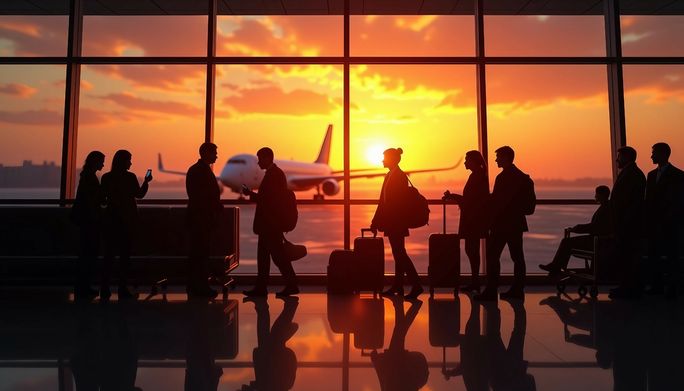
Passengers waiting in an unlit airport terminal. (Photo Credit: Adobe Stock/abu (generated with AI))
Airlines May Cut Flights
Higher fuel costs can also lead airlines to trim less profitable routes or reduce flight frequencies.
If that happens, fewer available seats can push ticket prices even higher, especially during peak travel periods like summer vacations.
Some airlines have already announced capacity reductions on certain routes, citing rising operating costs and economic uncertainty.
Longer Flight Paths Are Increasing Costs
Airspace restrictions and geopolitical tensions are also forcing airlines to reroute planes, particularly between Europe and Asia.
These longer routes burn more fuel and increase operating costs, which can eventually translate into higher fares for travelers.
Demand for Travel Remains Strong
Even with rising costs, demand for travel remains high. Airlines reported strong bookings earlier this year, particularly for summer leisure travel.
When strong demand collides with higher operating costs, airfare typically rises.

A young traveler arriving at her destination. (Photo Credit: Adobe Stock/Nina L/peopleimages.com)
What Travelers Should Do Now
There are several strategies travelers can use to reduce the impact of rising prices:
Book earlier than usual. Airfare tends to rise closer to departure dates, especially during busy travel periods.
Consider midweek flights. Flights departing Tuesday or Wednesday are often cheaper than weekend departures.
Look beyond major hubs. Smaller airports or alternate destinations may offer lower fares.
Use fare alerts. Tracking fares through apps or Google Flights can help travelers spot deals now before prices climb.
Airfares aren’t skyrocketing yet, but the underlying factors driving airline costs are moving in one direction—up.
If you are traveling over the summer, now is the time to book or at least begin monitoring flights before those costs show up in ticket prices.
For the latest travel news, updates and deals, subscribe to the daily TravelPulse newsletter.
Topics From This Article to Explore


