Officials in Barcelona are weighing yet another potential deterrent to overseas visitors in the city's ongoing effort to curb overtourism.
According to Cruise Industry News, cruise passengers who spend fewer than 12 hours in the Spanish city could face combined taxes of up to €30, or about $35.
This comes after a July 15 committee meeting during which city officials moved to pursue the maximum €24, or about $27, municipal tax for short-stay cruise visitors. In April, Barcelona nearly doubled its hotel guest tax, raising the nightly charge from approximately $5-$9 to $10-$17 per person.
"Barcelona began rethinking tourism with innovative measures like the moratorium on new hotel construction back in 2017...Many of the measures will take time before they have an impact. But the message of the city now is, 'Not one tourist more,'" José Antonio Donaire, Barcelona's commissioner for sustainable tourism, told The New York Times.
"We don't want to grow more. We want the tourists that the city already has. There were 15.7 million tourists in the city in 2025—that's the threshold. Sixteen million is the maximum," added Donaire.
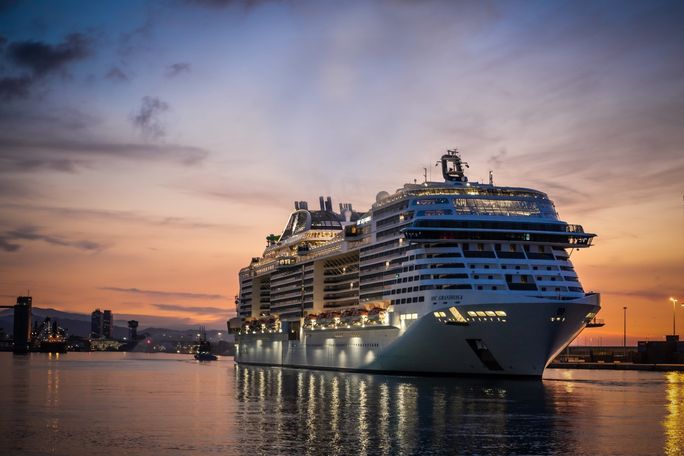
MSC Grandiosa departed from Barcelona. (Photo Credit: MSC Cruises Media)
The latest push to avoid overtourism comes despite pushback from the World Travel & Tourism Council (WTTC).
Last month, WTTC President and CEO Gloria Guevera said: "While we understand the complex challenges of managing a world-class destination, the proposal to increase the tourist tax on short-stay cruise passengers could place Barcelona at a competitive disadvantage compared to other Mediterranean ports."
Barcelona officials have been working to crack down on overtourism for some time as a surge in travelers has frustrated locals with concerns ranging from housing and cost of living to crowds and environmental sustainability.
The city has moved to limit the number of cruises calling on its shores, hiked taxes on short-term rentals and plans to phase out businesses like Airbnb entirely by the end of the decade.
Guevara warns that "evidence WTTC has gathered from other destinations shows that sudden tax hikes rarely produce the intended outcomes."
"In a city like Barcelona, one of the world’s leading cruise homeports, welcoming around four million passengers each year and generating an average local spending of around €255 per homeport passenger, among the highest globally, the broader impact of such measures could be particularly significant, not only in terms of visitor demand but also in the fiscal contribution that supports local and regional economies," she said.
For the latest travel news, updates and deals, subscribe to the daily TravelPulse newsletter.
Topics From This Article to Explore


