
by Mia Taylor
Last updated: 7:00 AM ET, Thu August 13, 2026
A dramatic influx of new cruise ships in the Caribbean is having a significant impact on market dynamics in the region, including intensifying competition and, by many accounts, driving down the cost of a cruise vacation.
There are now more than 200 ships sailing the Caribbean and capacity is up more than 10% year-over-year, according to the 2026 Cruise Industry News Annual Report, published earlier this year. Those figures mean that the Caribbean is home to over 40% of the cruise market share worldwide.
Larger brands, such as Royal Caribbean, Carnival, MSC and Norwegian, account for the lion’s share of the region’s capacity, some 75%. And many of those brands have launched large new ships in the Caribbean or are preparing to do so over the course of 2026.
“Star of the Seas, MSC World America, Norwegian Aqua and Luna, Star Princess, and Disney Destiny have all arrived within the last year and a half, and Legend of the Seas, the biggest ship ever put on regular Caribbean itineraries, hits Fort Lauderdale in November,” Nick Bonatsakis, founder of the industry website CruiseKick, told TravelPulse. “Every line built new ships for the [cruise] market that prints money, and now they've all shown up at once.”
This reality is likely to have a variety of impacts both for cruise brands and consumers. Here’s a closer look.
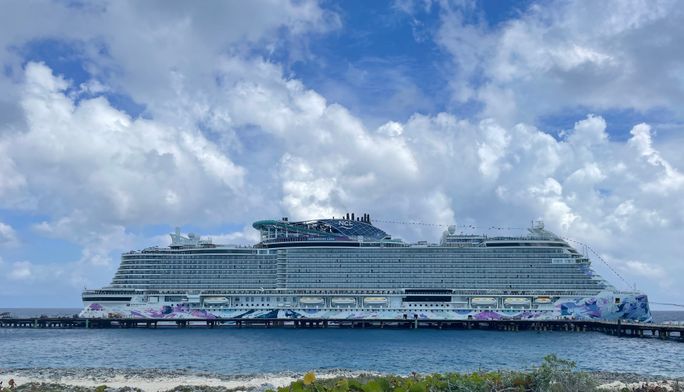
Norwegian Luna at Great Stirrup Cay, Norwegian Cruise Line's private island in the Bahamas (Photo Credit: Sarah Kuta)
Increasing regional capacity
It’s been a busy year for the cruise industry in the Caribbean, and that will continue as 2026 draws to a close.
Norwegian added a new 3,571-passenger ship to its Caribbean lineup in April with the debut of the Norwegian Luna. The vessel offers weeklong cruises departing from Miami, according to the 2026 Cruise Industry News Annual Report.
Royal Caribbean, meanwhile, is preparing to introduce the next largest ship in the world, the Legend of the Seas, in November. The third in Royal Caribbean’s Icon-class series, the ship will accommodate a staggering 5,610 guests and will offer seasonal trips from Fort Lauderdale.
And still there's more. The Caribbean is also welcoming new ships from a series of upscale and niche brands, such as Explora Journeys, according to the 2026 Cruise Industry News Annual Report. After an inaugural season in Northern Europe, the 922-guest Explora I was assigned to spend the 2026-2027 season offering a series of cruises between San Juan and Miami.
Additional luxury ships joining the regional competition this year include the Seven Seas Prestige, the Four Seasons I, and Orient Express’ Corinthian.
The timing for all of this new capacity couldn’t be more fortuitous. As inflation makes consumers more cost-conscious and geopolitical instability dampens enthusiasm for far-flung destinations, Caribbean cruise vacations look more appealing than ever to many US and Canadian consumers.
“Although there will be more inventory in the Caribbean than ever, the demand for cruising in the Caribbean is growing. Especially in 2026, we’re seeing US and Canadian travelers stay closer to home and opting for more affordable travel options,” Eleanor Antonacci, a premium and luxury cruise specialist and top-producing travel agent with Elevate Your Escapes, told TravelPulse.
Brian Rooney, a cruise-focused travel advisor and founder of GetCruiseInfo.com, told TravelPulse that the increase in Caribbean capacity is definitely something worth watching.
“The Caribbean is becoming a very capacity-heavy market. Cruise lines keep adding newer and larger ships, and the Caribbean is an obvious place to put a lot of that capacity,” said Rooney. “You have established ports, lots of U.S. departure options, strong demand and itineraries that work very well with the huge ships being built today.”
But all of those cabins still have to be filled every week, he added. “And while cruise lines can build bigger ships, they can't manufacture more passengers,” said Rooney. “At some point, all of those additional cabins have to compete for the same vacation dollars."
Decreasing cruise prices
Following the basic law of supply and demand, with so many ships flooding the Caribbean market, some analysts are projecting a notable decline in cruise vacation prices.
“Winter prices are already coming down. Fourth-quarter Caribbean capacity is up 10% on top of an 8% jump last winter, and Q4 pricing is running about 2% below a year ago,” said Bonatsakis.
How much further prices will fall is anybody’s guess, Bonatsakis added, as cruise lines have not yet published long-term fare information. Still, Bonatsakis predicts consumers will likely begin to see “real action hidden in the perks [cruise lines offer] like onboard credit and free drink packages.”
Rooney offered a similar analysis, acknowledging that regional inventory growth could put downward pressure on Caribbean pricing as winter approaches. But he doesn’t expect cruise lines to cut prices by 10% across the board suddenly.
“I think we're more likely to see aggressive pricing on certain ships and sailing dates,” said Rooney. “That could be lower fares, discounts for additional guests, onboard credit, packages or other promotions. The cruise lines would much rather discount where they need to than lower prices across an entire season.”
“Where I think it gets really interesting for consumers is when you have several large ships sailing very similar 7-night Eastern or Western Caribbean itineraries from Florida at the same time,” Rooney added.
Suddenly, customers will have a lot more choices. And if one of those ships isn’t filling as quickly as the cruise line wants, the cruise line may have to get more aggressive with the price.
Price cuts will vary by brand
By the same token, industry experts also don’t expect every cruise line in the region to feel compelled to slash prices or offer perks as capacity swells.
Royal Caribbean has said its yields in the Caribbean are still growing, and Carnival is betting its new Celebration Key destination will allow the company to hold its prices firm, said Bonatsakis, who suggested that Norwegian is most exposed in this new regional dynamic. “It’s Caribbean capacity jumped after a Europe pullback, and analysts are calling its current sale the most aggressive since Covid,” Bonatsakis explained.
Antonacci predicts that additional Caribbean capacity will likely create the most pricing pressure among brands that compete heavily for value-conscious travelers - a brand category that’s also coincidentally experienced the most significant room growth this year.
“Lines such as Carnival, MSC, and NCL may have to be more aggressive with promotions,” Antonacci said. “We may see the pressure show up through stronger marketing, onboard credit, reduced deposits or other amenities rather than lower advertised fares.”
Brands with particularly differentiated products, however, and loyal followings will be somewhat more insulated from the need to lower their prices, Antonacci added. That includes brands like Disney Cruise Line and Virgin Voyages, who, Antonacci said, welcome back return passengers year after year no matter what’s going on in the region at large.
C-suite outlook
For the time being, the increased competition in the region doesn’t appear to be causing any anxiety among the Caribbean’s biggest name: Royal Caribbean.
During a recent Q2 earnings call, the company’s leaders said they’re not concerned about the changing market dynamics.
Instead, Royal Caribbean CEO Jason Liberty painted a picture of strong demand for its "differentiated" products (ships and private destinations) when asked whether the company was impacted by competitors discounting cruises in the Caribbean. He also said Royal was successful in securing repeat business.
"We’re in a very good position for the Caribbean for the balance of the year," he said, adding: The reality of it is we own the Caribbean.”
For the latest travel news, updates and deals, subscribe to the daily TravelPulse newsletter.


