The European travel world is constantly evolving, so it's always a good idea to check in early each year to take stock of what's trending and making news for the year ahead.
Just in time for the start of the 2024 European travel season, here are a handful of things all travel advisors who sell Europe should be aware of as the year unfolds.
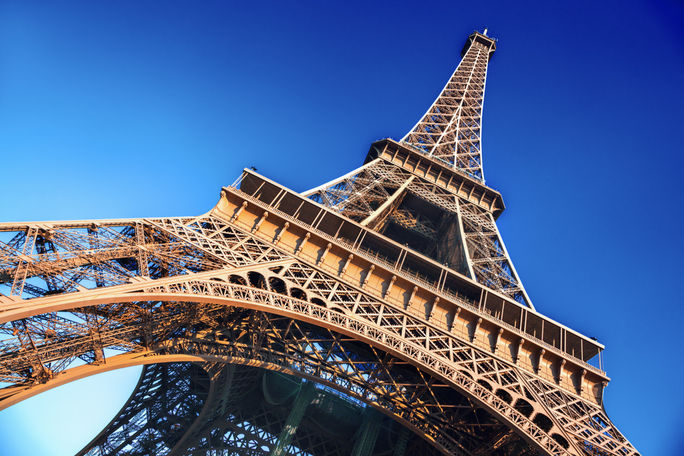
Eiffel Tower in Paris, France. (Photo Credit: adisa/Adobe Stock)
Still No ETIAS
Soon, travelers from over 60 visa-exempt countries planning a short stay in 30 European countries will need a travel authorization known as ETIAS (European Travel Information and Authorisation System). This electronic visa waiver, similar to the USA's ESTA, will be required for entry and cost around seven Euros ($8).
But not yet.
In what has become a seemingly annual tradition, it was announced late last year that the rollout of ETIAS will be postponed until 2025. So there's no need to worry about it for this year, but be aware that it is coming and, once up and running, will be a box that needs to be ticked for every potential European traveler.
Luckily, the process is expected to be quick and easy.
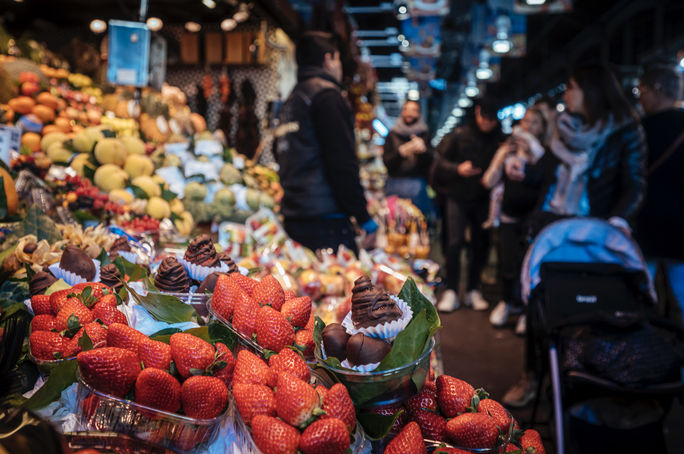
Mercado de La Boqueria in Barcelona, Spain (Photo via Hans Brunk)
Peak Season Is Going To Be Packed
If you thought Europe got a little crowded last year, wait until you get a load of Summer 2024.
A recent study by UNWTO confirmed what we all assumed: Europe was the top destination globally in 2023, attracting around 550 million international visitors. This figure was a staggering 56% of the total international travelers worldwide.
So take that, add in more post-pandemic return to normalcy (especially from the East Asian market and swirl it with the Summer Olympics in Paris (July 26 - August 11), The Euros (June 14 - July 14) all over Germany and the fact that Taylor Swift (May 9 - August 20) will be spending her entire summer here.
Yep, Europe is about to enter its seriously crowded era.
Throw in the inevitable summer heat waves, and you have the potential for some hectic times.
At least we still have "shoulder season", right?
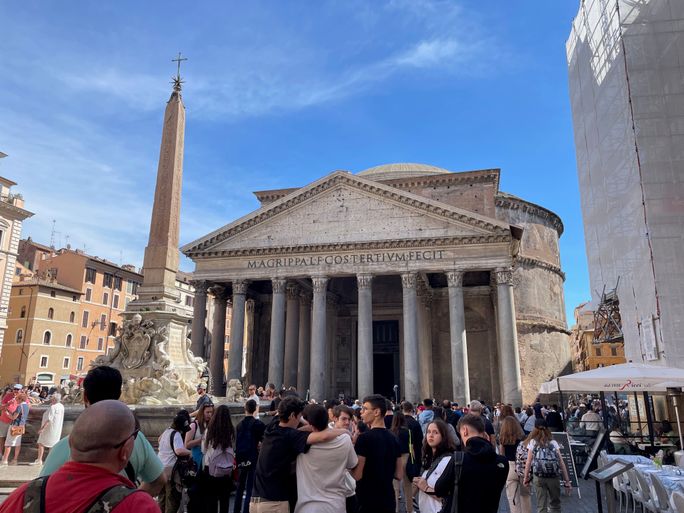
It's only April, but the tourist crowds have already descended on Rome. (Photo Credit: Bruce Parkinson)
Shoulder Season Is Slipping Away
In previous years, the answer to the above concerns about crowds & high prices was simple: send them in shoulder season (April & May and September & October).
During this magical "Goldilocks" period, the weather was ultra pleasant, especially in southern Europe, and crowds were thinner. Sure you had to be mindful of exceptions like Easter, which drew significant crowds, but for the most part, it was smooth sailing.
Then it wasn't.
In recent years, more and more travel advisors and travelers are reporting that the benefits of this window have seemingly gone poof. I have even started to wonder if November is the new October.
Now, you'll still avoid the heaviest crowds but don't expect Europe to be blissfully empty.
But all hope of avoiding the worst of the crowds is not lost, because despite concerns about overtourism and complaints about bottlenecks at A-list sights & attractions, Europe is still stacked with hidden gems and off-the-beaten-path experiences, promising surprises beyond the well-trodden tourist routes.
And that brings me to the next thing travel advisors should know about Europe in 2024.
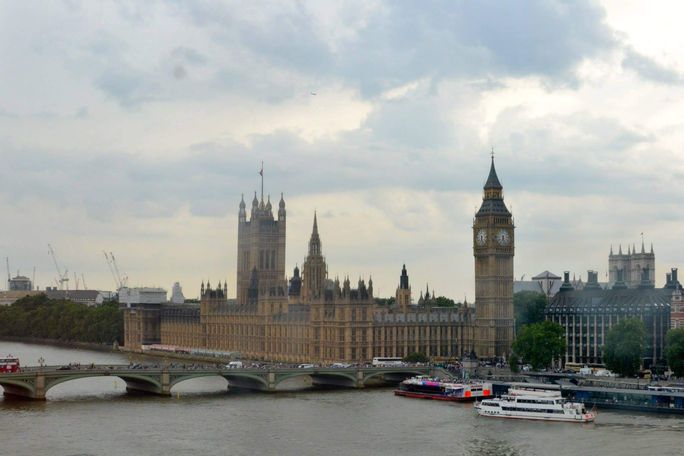
London, England. (Photo courtesy of Emily Krause)
Planning Outside of the Box Will Pay Off
Let's face it: the classic destinations and experiences will never go out of style. Paris, Rome, London, Barcelona, Florence, Amsterdam and Venice—these iconic destinations dance in your client's dreams and are often the places they've longed to visit for years.
Naturally, be intimately familiar with each city. Know the hotels, inside and out. For dining recommendations, research the trending hotspots and have a selection ready, being prepared to secure reservations. For families traveling with kids, compile a list of top attractions tailored to their interests. And for those seeking an authentic "local" experience, be ready with suggestions for the best neighborhoods to explore in each city.
But to truly separate yourself from the crowd (and help your clients beat the crowds), it's crucial to plan ahead and always arrange tickets ahead to major attractions where available. Simply put: if tickets are available to be purchased ahead of time for your clients, do it.
Suggest and plan offbeat attractions and unique experiences that allow clients to delve deeper into these cities' essence. Whether it's food tours, quirky landmarks, or exclusive bookable experiences, offering something different sets you apart.
Furthermore, staying abreast of cultural calendars and major annual events in these cities is essential. Knowing how these events can impact availability or enhance your clients' experiences demonstrates your commitment to providing comprehensive and personalized service and will show them a different side of the city.
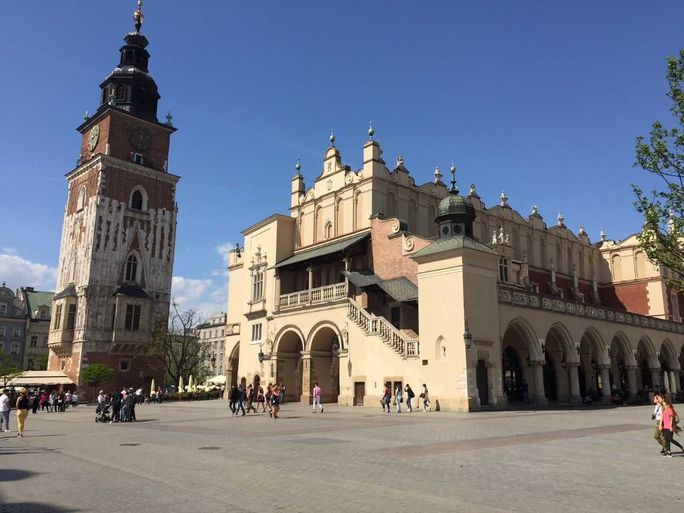
Located within Krakow’s walled historic center, the city’s main public square is Europe’s largest. (Photo by Mimi Kmet)
New Hotspots Are Always Emerging
Or you can set yourself apart by sending your clients to different destinations altogether as Europe is loaded with places bubbling under the surface and are now ready for their time in the sun.
Case in point is Central Europe. Countries like the Czech Republic, Poland, Hungary, Slovakia and Croatia offer rich histories, stunning cities like Prague, Krakow and Budapest and delightful culinary experiences—all at a better value. Your clients can enjoy similar attractions to Western Europe but with slightly fewer crowds and a smaller price tag.
Travelers love the feeling of stumbling upon a "hidden gem" and since this region is slightly lesser known, it holds surprises.
But even if your client's trip is heavy on the classic, instead of a typical London to Paris trip, consider suggesting vibrant cities like Brighton or Bristol in the UK, or perhaps a stop in Manchester for a soccer game.
Rather than the standard Rome-Florence-Venice trio in Italy, omit one and propose exploring a charming hill town in Tuscany or Umbria, or perhaps super hip Milan. These lesser-known destinations can often end up being the highlight of the trip.
Familiarize yourself with the holiday destinations favored by locals, as these places often remain off the radar of American travelers.
But also be aware that new hotspots are constantly surfacing, often thanks to television, movies, food & drink reputation or other streams of inspiration.
You may already be getting UK-bound clients asking about a visit to Wrexham (the home of Wrexham AFC, owned by Ryan Reynolds Rob McElhenney and starred in the show Welcome to Wrexham) visiting the Richmond area of London to have a pint at "Ted Lasso's Pub."
These places were unheard of a few years ago, but now they're hot. Well, expect more where that came from.
The Netflix drama One Day has been a smash hit this winter and features fabulous locations all over Rome, Greece, Edinburgh and London. Don't be caught off guard when it comes up for the first time, watch the show and know exactly where your clients are coming from.
Cities like San Sebastian and Copenhagen and regions like Piedmont in Italy have seen their culinary reputations rise, raising their profile to a larger swath of travelers.

Traveler checking into hotel with mobile app. (photo via andresr / E+)
Be Ready For Tech
QR codes and contactless payments rose to the forefront during the pandemic, but you (and your clients) need to know that they are here to stay. Prepare your clients for nearly cashless trips in Northern Europe and Scandinavia, where the "contactless is king" philosophy has taken hold.

PHOTO: Protest, strike (photo courtesy of Thinkstock)
Europe Isn't Disneyland
Unless you send your clients to Disneyland Paris, of course. Europe is enchanting as can be, but that doesn't mean it's a dream come true all of the time. Just most of the time! Things can go wrong here, specifically, that industrial action (the artist formerly known as strikes) is still rearing its head on the continent.
Most of the time, it's just a minor inconvenience, but you need to be aware. These events are typically scheduled ahead of time, so you should be able to navigate clients through the tricky situation.
Every once in a while, Europeans get pretty fired up about one issue or another, and that means there could be a demonstration during your client's trip. These are harder to predict, but since they can happen in clusters (and are almost always covered by the media), it is possible to warn and advise clients about them.
I can't stress enough how small of an impact these things can have on a once-in-a-lifetime trip, but it's worth noting that despite all the fairytale castles, Europe is a living, breathing place, and sometimes it still has a few growing pains.
For the latest travel news, updates and deals, subscribe to the daily TravelPulse newsletter.
Topics From This Article to Explore


