At this year’s Florida Huddle—the
state’s marquee travel event—a common theme emerged. Florida is doing more to promote lesser-known cultural and
historical sites. And visitors are responding, discovering there’s more to do
even in perennially popular Sunshine State destinations.
Case in point: Orlando, the
number-one-visited destination in the U.S. Beyond the world-famous thrill rides
and attractions, the city is brimming with charming neighborhoods, world-class
arts institutions, top-rated restaurants, and historic points of interest. By
including these local gems in clients' itineraries, you'll help elevate their
Orlando vacation from expected to exceptional.
Getting Off the
Beaten Path
“While Orlando is known as the Theme Park Capital of the
World, visitors are seeking opportunities to explore our destination’s local
neighborhoods for events and cultural offerings,” says Casandra Matej,
president and CEO of Visit Orlando.
“We’re home to the largest collection of Tiffany glass in the world at the Morse Museum, one of the country’s leading Fringe Festivals and an Oscar-qualifying film festival.”
Matej points to data from the Visit Orlando website, which
shows an uptick in users interested in the city’s cultural offerings. “We’ve seen increased activity
of people exploring content focused on arts and entertainment, Orlando’s local
neighborhoods and options beyond the theme parks,” she observes.
For example, a recent study
found that the Dr. Phillips Center
for the Performing Arts—the acclaimed downtown venue that’s hosted 6,500-plus
performances and events in its 10-year history—attracts one in four of its
visitors from outside Central Florida. Half of them stay overnight. As Matej
notes: “It’s clear the demand is there.”
The Heart of the City
Downtown is a good place to start when exploring the other
Orlando. About a half-mile from the Dr. Phillips Center, Lake Eola Park is a peaceful urban oasis. Here, visitors can stroll along
the .9-mile shady path around the lake, admiring the outdoor sculptures, iconic
fountain and views of the skyline; glide past real swans in a swan paddle boat;
and visit the Sunday farmers market. The park’s Walt Disney Amphitheater hosts concerts and
events year-round.
For clients who’d appreciate a deeper understanding of
Orlando’s roots, suggest a visit to the nearby Orange County
Regional History Center.
Housed in a stately 1927 building that
served as the county courthouse until 1997, the museum is located adjacent to
Orlando’s historic heart—Heritage Square Park, where the city’s limits were
platted in 1857.
Ever wonder what a Florida Cracker is? How did cattle
and citrus shape the area? What Orlando tourism looked like before Walt
Disney—and why the city considers October 1, 1971, "the day we
changed"? Four floors of exhibits delve into those questions and much
more, with additional collections highlighting the area's Seminole heritage,
African American history and Central Florida's role in aviation advances.
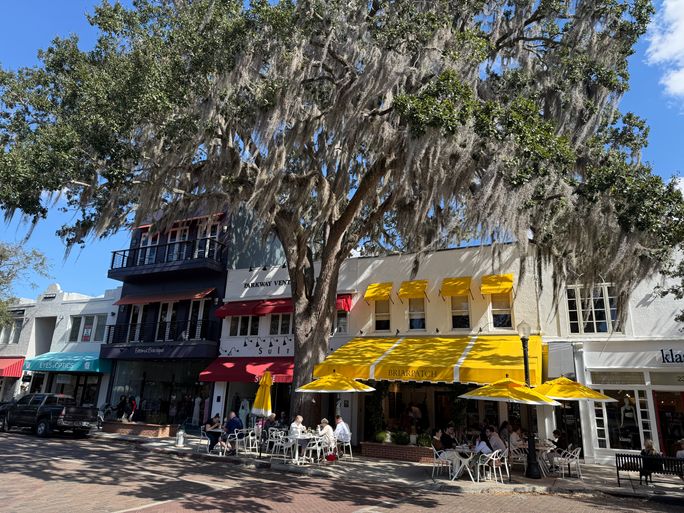
Charming cafes and boutiques line Park Avenue in Winter Park. (Photo Credit: Sara Perez Webber)
The Charms of Winter Park
To experience more of the area's history up close,
clients should head north of downtown to the charming enclave of Winter Park. Founded in the 1880s as a winter retreat for
wealthy Northerners, the city reflects its original residents’ New England
sensibilities—quaint brick streets, shady oaks and a village green in the heart
of it all, Central Park.
Some of the mansions built by those early residents
can be glimpsed from the water during the can’t-miss Scenic Boat Tour. Billed as the oldest tourist attraction in Florida,
this one-hour pontoon boat ride glides through a chain of three lakes connected
by canals. As riders bask in the Florida sun, a guide narrates what they’re
seeing—Rollins College and its boathouse, Spanish moss-draped cypress trees,
birds and lush vegetation, and estates with manicured lawns leading to the
water.
One-of-a-Kind Collection
The lakeside estates glimpsed from the boat
tour tell one story of Winter Park’s Gilded Age—but for the full picture, head
a few blocks away to the Charles Hosmer Morse Museum of American Art.
This remarkable museum houses the world’s
most comprehensive collection of works by Louis Comfort Tiffany. From
brilliantly colored windows and lamps to mosaics and jewels, the displays in
this serene space capture the beauty and elegance of an earlier era. The pièce de resistance is the
Tiffany Chapel, originally created by Tiffany for the 1893 World’s Columbian
Exposition in Chicago and painstakingly reassembled at the museum more than 100
years later.
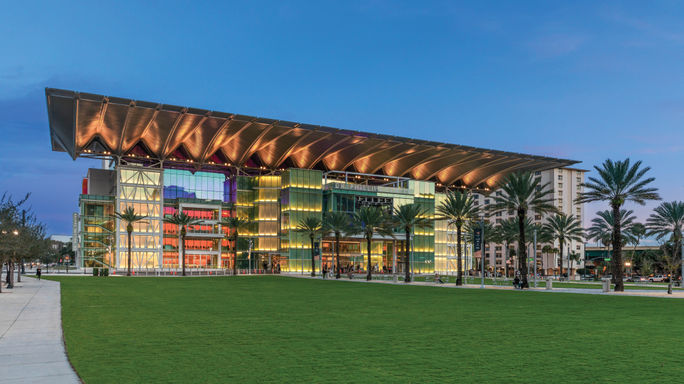
The Dr. Phillips Center for the Performing Arts attracts out-of-town visitors to its world-class productions. (Photo Credit: Visit Orlando)
A Taste of Orlando
The museum’s location on Park Avenue—Winter
Park’s tree-lined main street—makes it a natural starting point for a post-tour
stroll past the city’s charming boutiques and eateries. Just across the street,
the popular Boca
restaurant serves up such fresh, satisfying fare as tasty flatbreads, Ahi Tuna
Crisps, the Beet & Citrus salad and the OMG Burger—100% pasture-raised beef
topped by aged white cheddar and a sweet relish aioli.
Or suggest that clients reserve a table at
one of the 58
Michelin-recognized restaurants in Central Florida that Matej says have
“really helped elevate what our culinary scene is all about.” From historic
neighborhoods to old Florida attractions and sophisticated cuisine, these
additions to a standard Orlando itinerary can reward clients with unexpected
experiences—and reasons to keep coming back to the City Beautiful.
For the latest travel news, updates and deals, subscribe to the daily TravelPulse newsletter.
Topics From This Article to Explore


