
by Mark Chesnut
Last updated: 7:00 AM ET, Thu August 6, 2026
The 2026 FIFA World Cup delivered impressive results for
Mexico’s tourism segment. Now, the question is whether the surge in visitors
will translate to continued growth.
The three host cities — Mexico City, Guadalajara and
Monterrey — welcomed 7.8 million domestic and international travelers between
June 8 and July 19, including 3.3 million overnight visitors, according to national
tourism statistics. Tourism revenue reached MXN $42.3 billion, while total
economic impact was estimated at MXN $65 billion.
Each of the host cities scored big: Mexico City accounted
for about 4.4 million travelers, Guadalajara 2.3 million and Monterrey 1.1
million.
Josefina Rodríguez Zamora, Mexico’s secretary of tourism,
views those figures as a catalyst for developing an “integrated vision” for the
national tourism strategy. “The World Cup reaffirmed the importance of
leveraging major international events as strategic platforms to drive tourism
and economic development,” she said. “Our goal is that every visitor who
arrives in Mexico discovers not only a host city but the enormous diversity of
experiences the country offers.”
Short-Term Surge,
Long-Term Strategy
Demand followed the tournament calendar closely, according
to Ayoub Hissar, director of communications at JustFly. “Our data shows a clear spike in
travel demand tied specifically to the FIFA World Cup,” he said. “In Mexico
City, match-timed bookings increased about 125% compared with the
pre-tournament baseline.”
The question now is whether strong demand will continue beyond
the World Cup. Guadalajara provides
an example of how infrastructure improvements, which were accelerated in
preparation for the tournament, continue to benefit travelers to Mexico. “The
World Cup represented one of the most significant moments in Jalisco’s recent
tourism history, but its impact extended beyond the weeks of the tournament,”
said Michelle Fridman, Jalisco’s
secretary of tourism.
Guadalajara’s airport recorded its strongest month on
record, the highway to Chapala was expanded and a new mass transit route — Line
5 — now provides a convenient link between the airport and Estadio Akron, a
major sports and event facility.
“This was infrastructure we needed regardless of the
tournament,” Fridman said. “The World Cup just gave us the urgency and the
deadline to get it done.”
Mexico City and Monterrey, meanwhile, are continuing airport
upgrades, some of which were timed to be completed for the World Cup. “The
investments made in mobility, air connectivity and tourism infrastructure
continue to benefit millions of travelers by delivering a more efficient,
accessible and competitive travel experience, while also strengthening Mexico's
ability to host future international events,” said Rodríguez Zamora.
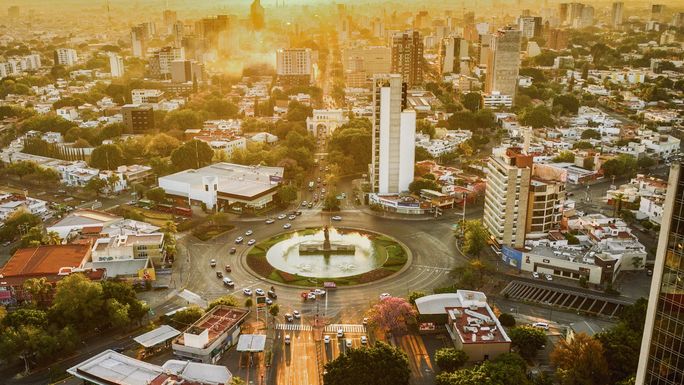
Glorieta de La Minerva. (Photo Credit: Ministry of Tourism of the State of Jalisco & Guadalajara Tourism Board.)
Bringing Travelers
Back Again
Fridman noted that an important goal is to convert
first-time visitors (who attended the World Cup) to repeat customers. “For many
visitors, the event served as an entry point to Jalisco's culture, gastronomy,
tequila heritage and surrounding destinations,” she said. “The long-term
opportunity is to transform that initial visit into repeat travel. Jalisco is
supporting this through expanded international connectivity, continued
promotion of Guadalajara, Puerto Vallarta, Costalegre and the Pueblos Magicos,
and a year-round calendar of cultural, culinary and sporting events designed to
encourage visitors to return.”
She noted the opportunities presented by upcoming events,
including ITB Americas in Guadalajara (November 10-12, 2026) and the Year of
Gastronomy in 2027.
Whether a strong repeat visitor trend exists has yet to be
determined, according to Hissar. “It’s still too early to determine whether the
FIFA World Cup has translated into sustained tourism growth or repeat
visitation to Mexico’s host cities,” Hissar said. “Our flight search and
booking data from JustFly shows that demand is currently normalizing following
the tournament, and confirming whether first-time visitors return will require
several more months of data.”
Still, he noted a promising detail. “The data does reveal a
broader trend: throughout 2026, U.S. traveler interest in Mexico City,
Guadalajara and Monterrey consistently outpaced the rest of Mexico, with search
demand running approximately 20% to 37% higher after adjusting for nationwide
travel trends. This suggests the host cities captured travelers' attention well
beyond the tournament itself, even if it's too soon to conclude whether that
interest will translate into repeat visits.”
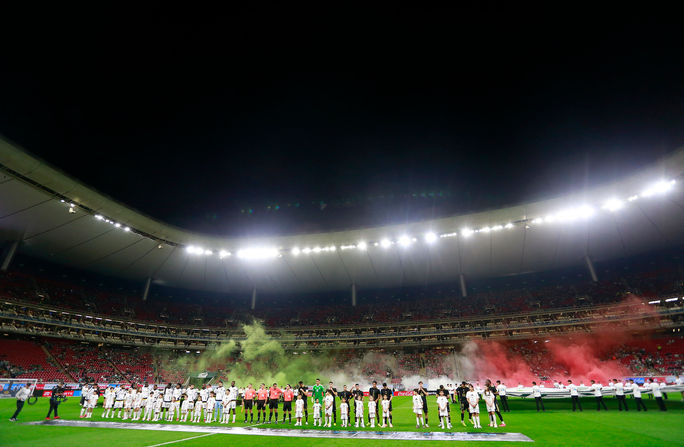
Estadio Akron. (Photo Credit: Ministry of Tourism of the State of Jalisco & Guadalajara Tourism Board.)
AirDNA, a short-term
rental data and analytics provider, also shares potentially good news in recent
statistics: “available listings will remain elevated at least through October,
with pronouncedly elevated revenue in Mexico City, good results in Guadalajara
and mixed results in Monterrey,” according to Bram Gallagher, the company’s
director of economics and forecasting.
Doni Belau, founder of women-only tour company Girls’ Guide
to the World, sees Mexico City’s sports-tourism appeal as especially promising.
"Clearly, they are positioning themselves at the epicenter of this growing
trend," she said, referring to an upcoming sports-tourism conference in
the capital. Still, she added, "The question remains: will those travelers
who went to Mexico for the first time, drawn by the World Cup go back. Only
time will tell."
Belau believes the strongest conversion tool may be Mexico
itself. "Once you get a slice of the real Mexico, beyond the
over-touristed beach destinations like Cancun or Cabo, you fall in love,"
she said. "The culture, the cuisine, the landscapes and the people are
just beautiful."
Rodríguez Zamora is similarly optimistic. “For many
visitors, the FIFA World Cup marked their first trip to Mexico,” she said.
“That experience introduced them to the country’s rich cultural heritage,
world-renowned cuisine and diverse natural landscapes, inspiring them to return
and explore even more destinations across the country. Many people came for football
but discovered the magnificence and diversity of Mexico. That experience is the
best tourism promotion that our nation could have. That’s why we launched the
campaign “They came for the World Cup. They’ll come back for Mexico.”
For the latest travel news, updates and deals, subscribe to the daily TravelPulse newsletter.
Topics From This Article to Explore


