
by Mark Chesnut
Last updated: 7:00 AM ET, Sat August 15, 2026
“I’m not looking to create the next
Cancun.”
Harris Whitbeck, director of the Guatemalan Institute of Tourism (INGUAT), is clear about his vision for the nation’s tourism
sector. Since taking office in 2024, he has prioritized air connectivity and
sustainable, community-based and experiential tourism. The country has recorded
three consecutive years of growth, although challenges include aging airport
infrastructure, slower growth in 2026 and lingering safety concerns.
In this exclusive interview, Whitbeck
discusses what’s driving tourism, what new products are in the works and why
Guatemala deserves its own unique tourism plan.
TravelPulse
(TP): What’s behind Guatemala’s impressive and continued tourism growth?
Harris Whitbeck (HW): The sustained growth comes from the fact that we decided to
find a narrative that would resonate, that would be truly authentic. What
differentiates Guatemala from other destinations in the region is the
authenticity of our culture. It's connected to 3,000 years of the Mayas.
Guatemala was the heart of the Mayan empire — and that connection is still very
much alive today. So we decided to create a very authentic narrative about the
country, telling the story of our textiles, our craftsmanship and our gastronomy.
We have a great story to tell, and we're all storytellers at the INGUAT.
TP: After
tourism grew 15% in 2024 and 11% in 2025, what are the latest numbers, and how
are changing air routes affecting them?
HW: It’s 10% so far this year. There’s been a drop, but there's
still growth. What we are seeing, which is something that we're very happy
about, is increased growth in visitors from Canada and Europe. We were able to
get a direct flight from Montreal to Guatemala City — Air Canada 3 times a
week. It’s seasonal, but it's doing extremely well.
But we're getting a flight from Boston later this year, which
will help, and it's creating more opportunities for us. We're also very close
to announcing a direct new flight from Europe … that's going to increase the
opportunities for more travelers from Europe.
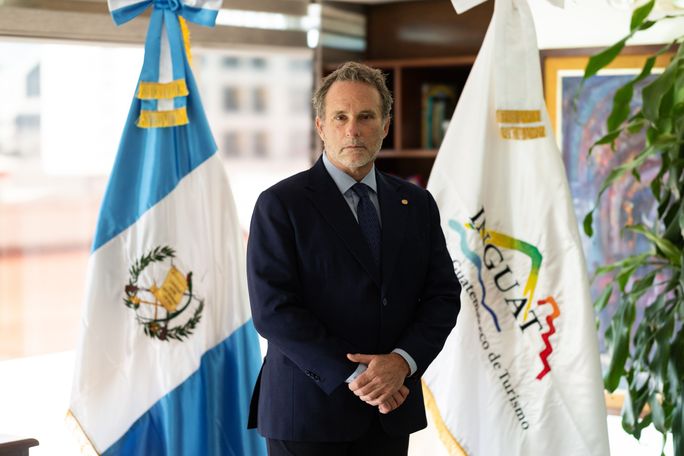
Harris Whitbeck, General Director of INGUAT. (Photo Credit: Juanfer Peagos / INGUAT)
TP: How is
INGUAT developing community-based tourism and rebuilding its relationship with
Guatemala’s textile weavers?
HW: [We are] working with communities and with the national
movement of textile weavers. We believe that community-led tourism is the
answer for Guatemala. Authenticity is what distinguishes us from other
destinations in the region, and the only way that we can preserve that
authenticity is if we work with the communities that are creating those
products.
The national movement of weavers represents thousands of
women weavers from all around the country. We are learning from them [about]
how to avoid cultural appropriation, learning about their fight to defend their
intellectual property rights over their textiles.
This [current] relationship stemmed from a lawsuit that they
brought against INGUAT back in 2018, before we were around. So we started this
conversation with the weavers.
That led to us creating products — there's one product called
Guatemala Designs by Hand, which is a traveling exhibit of Guatemalan
craftsmanship, a mixture of the old with contemporary, which sells the story of
the country through the eyes of the women weavers who are really the stewards
of our culture.
TP: I
understand you’re working on a new project in the department of Quiche?
HW: We’re
developing a product called El Camino del Tiempo. It's a network of hiking trails. The system is modeled
roughly after the Camino de Santiago in Spain. [Quiche] is home to a lot of
sacred Maya sites, sites of spiritual importance. It’s also the route where the
Dominican missionaries created a huge number of colonial churches back in the
16th century.
We had to go in there and ask [local communities] what they
thought of the idea, and if they wanted to share their stories with the world
and use these networks not only as hiking trails, but as trails that would
bring them opportunities for economic development based on community tourism. Their
response has been absolutely overwhelming. We hope to have the first 20
kilometers of this network of trails open by October of this year.
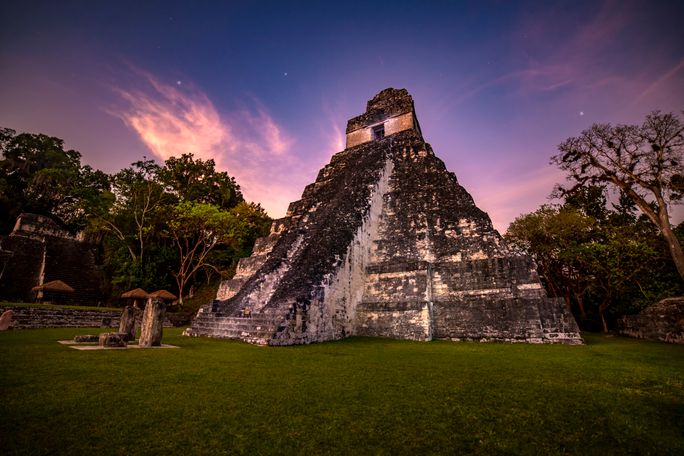
Parque Nacional Tikal. (Photo Credit: INGUAT)
TP: How has
the profile of the typical Guatemala visitor evolved?
HW: Right now there's a huge surge in Guatemalan cuisine. Three
of Guatemala's restaurants are on the list of the top 50 best restaurants in
Latin America. We get a lot of travelers and foodies who will go specifically
for [cuisine] and then do everything else.
But we are [also] seeing an increase in visitors who are
interested in textiles, in craftsmanship, in cultural experiences. I truly
believe that today's luxury traveler looks more to connect with communities and
experiences, connecting with something deeper, rather than just staying at a
beautiful hotel.
TP: There are
two major event venues in the works in Guatemala, including the 14,000-seat
Arena Gallo that’s slated to open in 2028. With major event venues as well as
major airport improvements underway, what legal and investment changes are
priorities?
HW: We are currently putting forth a modification to the tourism
law, which was written back in 1967 and had really not been modified
dramatically since then. We desperately need that to be modernized. And in that
modernization scheme that we're proposing, there is the creation of a national
fund — a joint, public/private investment fund that would bring about
investment in the bigger hotel projects that we need.
I'm not looking to create the next Cancun. I don't think
that's the model for Guatemala. Guatemala deserves a different kind of tourism.
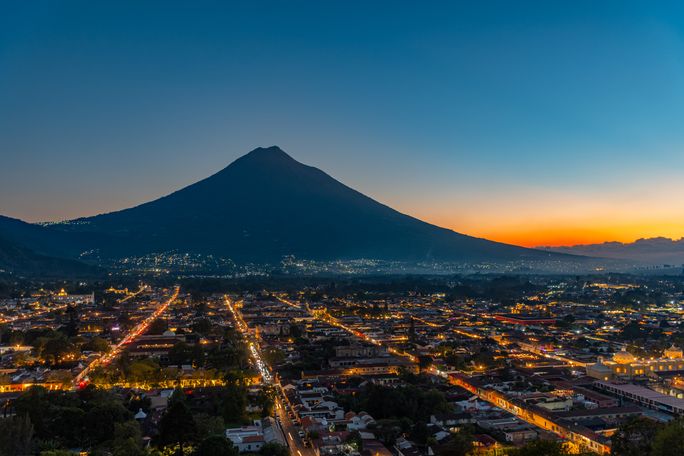
Antigua Guatemala. (Photo Credit: Wilfredo Alexander Cruz Nojo / INGUAT)
TP: Please
tell us about your administration’s plan to ensure continuity in tourism
strategy.
HW: It's a 10-year plan that was created last year, not in my
office in Guatemala City, but out in the territories. What will give this
master plan continuity is the fact that it was created by the sector itself and
not by the government. Since the sector created it, they feel ownership in it,
and they will make sure that it continues.
TP: What
should travelers and travel advisors know about safety in Guatemala?
HW: It's no secret that the perception of security in Guatemala
has been an issue, a challenge for us for many years. But I can tell you that
in at least the last three years, we have received an average of 70 reports of
minor security-related incidents regarding tourists, and that's 70 versus the
3.4 million [visitors] that we are receiving. So, really, the incidents
involving tourists are quite small, and the areas frequented by tourists are
perfectly safe.
One of the things that Guatemala offers is a tourism
assistance program run by INGUAT, which is a model in Latin America. A visitor
can dial 1500 on their phone and immediately be connected with somebody who
speaks English, who has access to security forces, rescue forces or whoever can
provide immediate assistance, should anything happen. But we fully recognize
that we need to do more work to change the perception of Guatemala as an
insecure country, because it really isn't.
For the latest travel news, updates and deals, subscribe to the daily TravelPulse newsletter.
Topics From This Article to Explore


