
by Brian Major
Last updated: 8:00 AM ET, Fri April 5, 2024
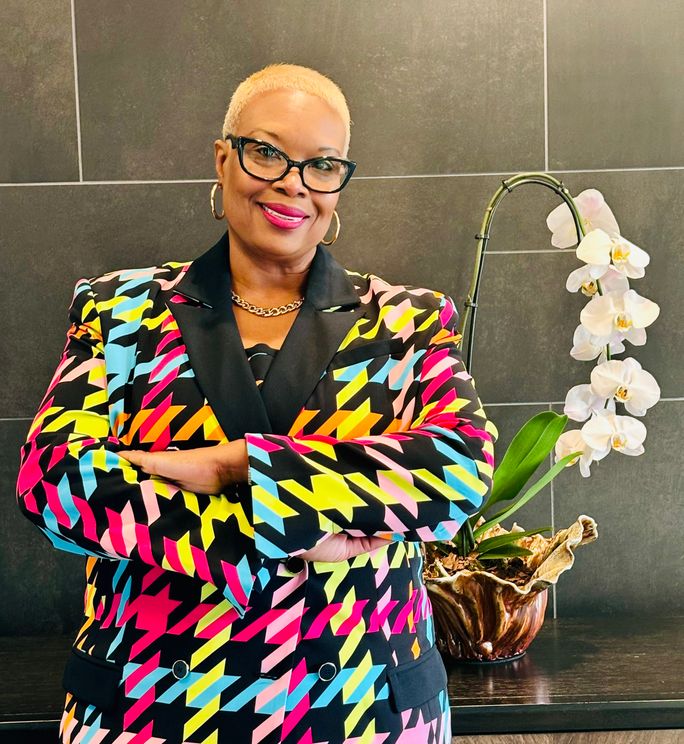
“You need to know the professionals to really excel and profit in this industry.” – Stephanie Jones (Photo Credit: Courtesy Stephanie Jones)
Stephanie M. Jones is
the founder and CEO of the Cultural Heritage Economic Alliance (CHEA), an
organization dedicated to reshaping travel and tourism to better serve under-represented
small BIPOC businesses.
Through CHEA, Jones has
launched initiatives including Blacks in Travel & Tourism, the Black
Cultural Heritage Tours Collective, the Diversity Tourism Academy and the Black
Tour Operators Network.
These programs are
designed to create travel industry opportunities for Black-owned travel
businesses, fostering inclusivity and ensuring their meaningful participation
in the global tourism industry.
Jones’ advisory
activities include a second appointment to the United States Travel and Tourism
Advisory Board, chair of Hurtigruten's Black Travel Advisory Board, and membership on
Northstar Travel Group’s Black Travel Advisory Board.
Jones’ global impact was underscored by her selection as the only
U.S.-based finalist in the 2021 UNWTO’s Social Entrepreneurship Competition in
Tourism.
TravelPulse spoke recently
with Stephanie, also CEO of Disrupt
for Change Media, to learn more about her efforts to create a more inclusive travel
distribution environment.
TP: How did you launch
CHEA?
SJ: I started CHEA in
February of 2020, right before or I guess right during the onset of the
coronavirus. The mission at the time was to address some of the issues around
technical assistance and capacity-building for under-represented black and
brown small businesses that are part of the travel and tourism ecosystem but
have not benefited from it.
TP: Why haven’t BIPOC
firms benefitted from travel industry activity in your view?
SJ: We know that there
are several reasons why that happens. Part of it is because the industry has
not been intentional about creating equitable opportunities, particularly for
small BIPOC suppliers to become part of the ecosystem or the travel trade
supply chain.
The industry is very
much pay-to-play and it's very costly to be in the rooms where you can meet
with international buyers to sell your products [and] to drive inbound
travelers into your business or into your community. And if you're not in the
room, you're not in the game.
The industry prior to
the pandemic was not inclusive from a diversity perspective; we saw that that
diversity was really only reflected in service-related positions.
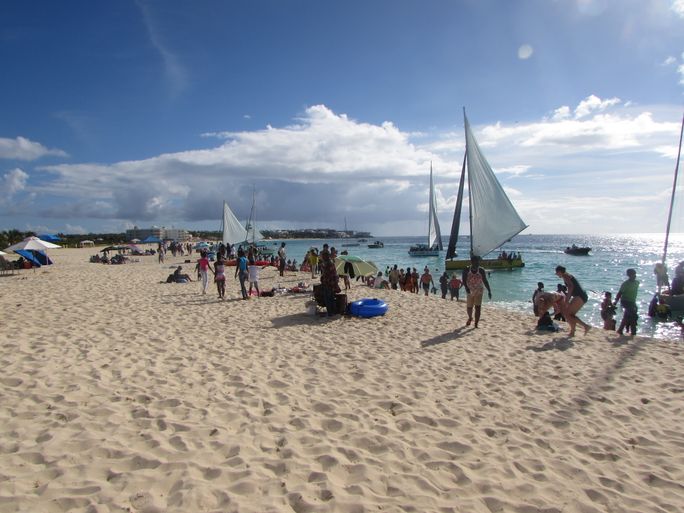
Mead's Bay Beach Anguilla (Photo Credit: Brian Major)
TP: Is this a widely
shared viewpoint?
SJ: I've had debates
with people from tourism boards and state tourism who say “Oh, [the industry]
is diverse,” because from their perspective, the diversity that they see are
those people who are the service workers, making the beds [and] serving people
in restaurants.
I'm not saying there is
anything wrong with those positions, but the reality is we know that this is a
trillion-dollar industry and it's not black and brown people that have again
been able to actively participate and profit from it.
So, being a small, Black
proprietor and enduring my own challenges working in Florida tourism, I
have witnessed first-hand the lack of diversity equity and inclusion at
industry meetings and events when I'm typically if not the only Black person in
the room or person of color, one of a few amongst hundreds of people.
I show up at these
events and there's this feeling of isolation or looks of ‘What are you
doing here?’ or not just being acknowledged.
TP: How did these
experiences affect you as an industry professional?
SJ: Because I have thick
skin and because I know that I have a right to be in any room that I choose. I
also know that the other small businesses that look like me may be intimidated
to go to some of these industry events.
You need to know the
professionals to really excel and profit in this industry. Because small Black
businesses have not been [reached] by the industry, so many of them don't
actually understand it. They're not even ready to participate in the industry
or work with large groups of travelers.
They're good at what
they do, but they don't have the business structure in place to support groups
of visitors or tourists. We recognized the need to make certain that these
businesses understand the global travel and tourism industry and how to become
positioned in it.
TP: How does CHEA help
these businesses?
SJ: We teach members how
to do a business assessment to be able to enhance those areas of their
businesses where there needs to be broader capacity or just where they have gaps
so they are able to fulfill a quality, world-class experience for travelers.
We [also] give them
perspective from both sides, from the industry side and also from the supplier
side. We set out to try to bridge that gap by one, helping these businesses
become tourism and market-ready, and two, by educating the industry about small
suppliers and the diverse experiences that they provide in local destinations
which again often don't receive a lot of tourism traffic.
TP: Is that the focus of
initiatives like your Diversity Tourism Academy?
SJ: Yes. [Our] business
is to help these businesses become tourism and market-ready. We also get them certified
as businesses and ready to work with the industry. By going through the Diversity Tourism Academy
and being vetted we make certain that these businesses are viable.
For the latest travel news, updates and deals, subscribe to the daily TravelPulse newsletter.
Topics From This Article to Explore


