“Well, we have fruit and toast.”
If I had a dollar for every time I heard that response when
asking about vegan options, I’d be writing this from a tropical paradise,
fruity mocktail in hand. But instead, in 2025, I’m still wondering—how is this still
an acceptable answer?
A decade ago, it was disappointing but not surprising. Fast
forward to 2021, the vegan food market was valued at $26.83 billion and is now
projected to hit $55.42 billion by 2034 (Precedence Research); it's clear this
isn't a niche trend—it's a booming industry.
I'm no economist, but one thing is clear: this kind of
growth doesn’t happen without demand.
If you’re a hotelier thinking, but I only sold 20 Beyond
burgers last month, that's not enough to justify a complete menu overhaul,
you’re missing the bigger picture. Although vegan travelers enjoy traveling in
a pack — just Google vegan
tours — they rarely dine alone. That one Beyond burger is likely
tied to a family or group, meaning plant-based options determine where the
entire group eats or stays.
Expanding and promoting your vegan offerings isn't just
about one dish—it's about attracting a new customer base. For hotels wondering
where this could lead, look no further than properties that fully embrace plant-based
hospitality.
In Italy, the family-run Vegan Agrivilla I Pini has a
gorgeous renovated farmhouse in the Tuscan
countryside and two other properties in the north — La Vimea and Paradiso
Pure Living. In luxury settings, all three have set gold standards for gourmet
vegan cuisine (no basic burgers here).
On a more mainstream front, The UK Vegan Society and design
studio, Bompas & Parr worked with the Hilton London Bankside to launch
their first fully vegan suite. They didn’t just overhaul the mini bar and stick
a vegan chocolate bar and green juice in there; they took a look at everything.
From floor to ceiling, they used bamboo, Piñatex (an animal-free leather made
from pineapple waste), organic cotton, hemp, and more — all reinforcing the
idea that luxury doesn’t have to be cruel.
The shift continues globally: Club Med and The
Four Seasons collaborate with top vegan chefs, while The Palmaïa – The
House of AïA in Playa del Carmen, boasts a plant-forward menu crafted by
Michelin-trained chefs.
While some may say this is a passing fad, Innova Market
Insights would say hold your fork. For the past two years, they've listed
plant-based food as one of their top global trends. Gen Z and Millennial
consumers are more likely than older generations to avoid animal products,
making them an essential travel demographic. According to a survey conducted by
IBS Software, 38% of millennials and Gen Z are turning to travel advisors for
trip-planning help, which is far greater than Gen X and Baby Boomers, only 12%
and 2%, respectively.
I’m sure I have your attention, but you may wonder how you
tap into this audience. Is it just a matter of sticking black bean tacos on the
menu and calling it a day? If you want to do it right, there's more to it than
having one option on the menu or sending your clients on an adventure that
requires a massive backpack of snacks.
Ways to Attract and Serve
Vegan Clients
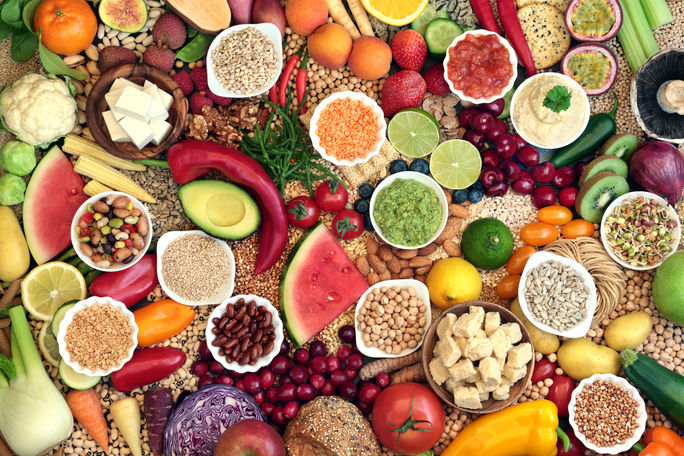
Large vegan health food collection. (Photo Credit: marilyn barbone / Adobe Stock)
Know What Vegan Means
Seems obvious, right? But you’d be surprised how often
dishes labeled “vegan” arrive with cheese. For anyone unfamiliar with the term,
vegan means no animal products. So, no meat, fish, milk, cheese, eggs, or
honey. If it came from an animal in some way, shape, or form, it's not vegan. It’s
also important to know that some things that aren't vegan might not be
blatantly apparent, like wine or certain dishes containing animal flavoring
products (like fish sauce).
Beyond food, vegan clients also care about ethical
activities. If you book excursions, consider whether animal sanctuaries operate
responsibly and if more sustainable
travel options exist.
As an advisor, you must talk to your clients about what's
important to them. What are things they really want to see on an itinerary? Is
it all about the food? One food tip: look for veganized traditional foods where
they’re going, like vegan
ramen in Tokyo or vegan Schnitzel in Germany. If they feel like their
concerns have been heard and you can deliver, I guarantee you'll have a client
for life.
Be Thoughtful About What You Offer
A single Beyond burger or
black bean taco isn’t enough. Would you want to pay for that? If not, rethink
your menu.
Promote and Market Your Options
If you build it, they won’t necessarily come—you need to
shout about it. Contact vegan and eco media and consider working with vegan
bloggers or influencers. For advisors, share potential itineraries in your
newsletters and social media.
Train Staff
Everyone from the front of the house to the back needs to
understand what vegan and vegetarian means, along with any other dietary
request. Your clients will appreciate it, saving your staff time and aggravation.
Build Partnerships
Whether you're a hotel or a travel advisor, you’ll always be
stronger when you align yourself with others who are experts. Collaborate with
vegan chefs, sustainable suppliers, or local tourism boards that prioritize
ethical experiences.
The demand
for vegan travel isn't slowing down—it's growing. Whether you're a hotel,
restaurant, or travel advisor, adapting to this shift isn't just an ethical
choice; it's a smart business move. Those who embrace plant-based travelers
today will lead the industry tomorrow.
So, will your subsequent response to a vegan traveler still
be "Well, we have fruit and toast"—or something worth discussing?
Rebecca Gade-Sawicki is the founder of the vegan travel
company Veggies
Abroad. In 2021, she bid her 15-year career goodbye and ventured
into the ethical business world. Initially, the company started as a blog and
expanded to encompass personalized travel planning services, small group tours,
and a podcast dedicated to vegan and sustainable travel.
For the latest travel news, updates and deals, subscribe to the daily TravelPulse newsletter.
Topics From This Article to Explore


