Native American Heritage Month, celebrated each November, was
established by President George H.W. Bush in 1990 to honor the many ways Native
American heritage is woven into the fabric of the nation. From Indigenous chronicles
and tribal sovereignty to cultural traditions, languages, artistic achievements
and Native American and Alaska Native people, these are the travel
destinations that best explore and celebrate Native American Heritage Month.
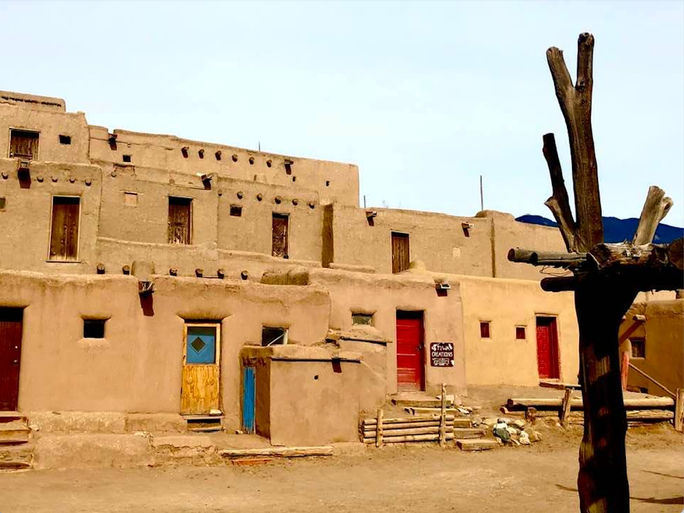
Taos Pueblo (Photo via Noreen Kompanik)
Taos Pueblo
Ringed by the soaring peaks and sagebrush plains of New
Mexico’s Sangre de Cristo Mountains, this authentic living Native American
community with no electricity or running water has been inhabited for over
1,000 years. Designated both a UNESCO World Heritage Site and a National
Historic Landmark, this sacred ground is best experienced by tour. Visitors can
share in the ancient art of breadmaking using hornos, outdoor wood-fired
ovens made of adobe mud (a mix of local dirt, straw and water).
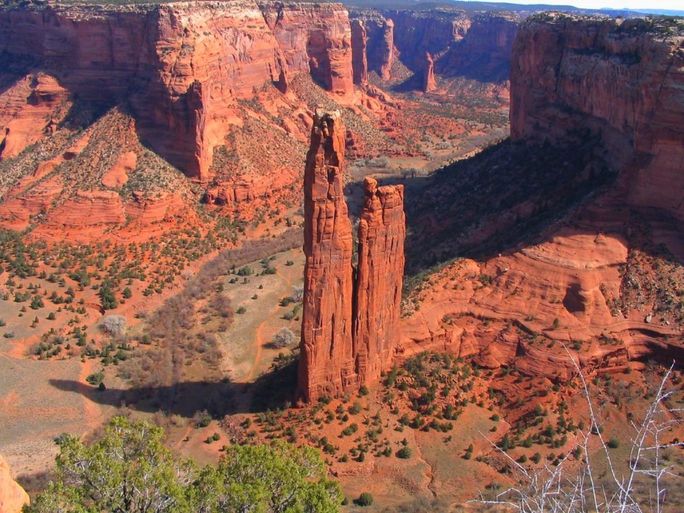
Spider Rock at Arizona's Canyon de Chelly in Arizona (Photo via Flickr) (Photo Credit: Ken Lund / Flickr)
Canyon de Chelly National Monument
Situated entirely within the Navajo Nation in Chinle,
Arizona, this spectacular canyon is home to the Diné people who continue to
live and grow crops here after living in the canyons for nearly thousands of
years. Towering sandstone walls, ancient cliff dwellings and Navajo history
make it a compelling destination for exploring the relationship between people
and their ancestral land. Unlike many archeological parks, Canyon de Chelly
provides an opportunity for visitors to learn from native guides and understand
Indigenous
heritage as a living tradition rather than something confined to a museum
or pages of a history book.
Saxman Native Village
Located in the Tlingit community just south of Ketchikan,
Alaska, Saxman Native Village is known for its remarkable collection of totem
poles (the largest gathering in the world), traditional clan houses and exquisite
carving tradition. Historic totems preserve Tlingit clan crests, histories and
stories. A live show at the Beaver Clan House introduces visitors to its
culture with traditional Tlingit song and dance performances with vibrant
costumes and Tlingit chants that include both children and adults.
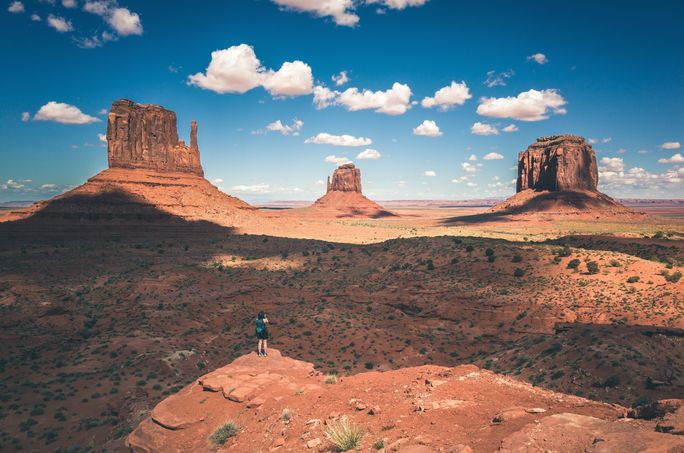
Monument Valley, Utah (Photo via Unsplash / Jasper van der Meij) (Photo Credit: Unsplash/Jasper van der Meij)
Monument Valley Navajo Tribal Park
Extraordinary sandstone formations make Monument Valley
Navajo Tribal Park instantly recognizable as a unique American landscape. Known
in Navajo as Tsé Biiʼ
Ndzisgaii, Monument Valley lies within the Navajo Nation along the Arizona-Utah
border. The tribal park encompasses over 90,000 acres and was established in
1958 by the Navajo Tribal Council, making it a landmark in Indigenous-led
conservation. The Diné have longstanding cultural, spiritual, and historical
ties to the Monument Valley region. Its mountains, rock formations, and open
desert are part of a living landscape connected to stories, identity, and
traditional knowledge.
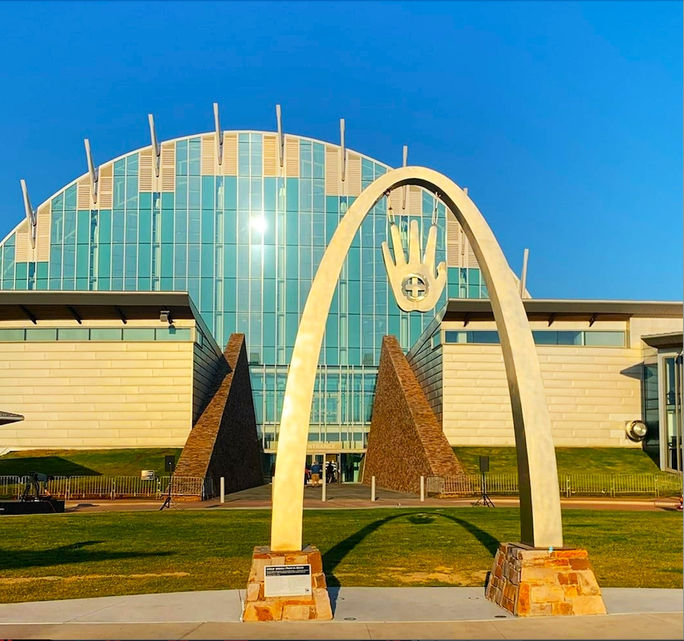
First Americans Museum Oklahoma (Photo via Noreen Kompanik)
First Americans Museum
The First Americans Museum in Oklahoma City is dedicated to
the histories, traditions and living cultures of Oklahoma’s 39 distinct Tribal
Nations. The 175,000-square-foot-venue opened in September 2021 with a purpose
of combining Indigenous storytelling, contemporary art, historical collections
and immersive exhibits. Likely the museum’s most distinctive feature is the
Hall of the People, a soaring 110-foot-tall gathering space inspired by Wichita
grass lodges.
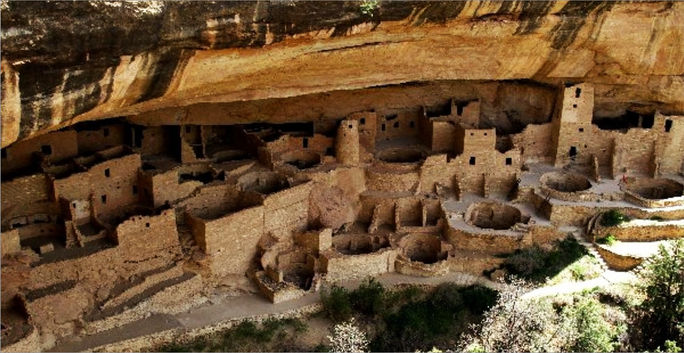
Mesa Verde Colorado Cliff Dwellings (Photo via Noreen Kompanik)
Mesa Verde National Park
Located in Colorado, Mesa Verde was a sacred place for ancestral
Puebloan people for over 700 years. They also left behind some of the
best-preserved habitation sites in the country. The National Park Service
established Mesa Verde as a National Park in 1906 to preserve and protect the
rich cultural heritage of 26 Pueblos and tribes, offering visitors a
spectacular window into the past. This UNESCO World Heritage Site and
International Dark Sky Park in southern Colorado contains nearly 5,000
archeological sites including 600 cliff dwellings. Guests can even book an
interpretive tour to deep-dive this amazing historic site.
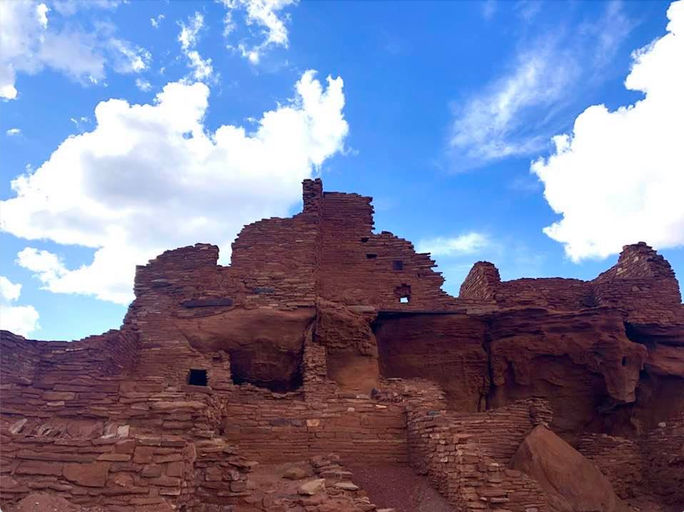
Wupatki National Monument, Flagstaff (Photo via Noreen Kompanik( (Photo Credit: Noreen Kompanik)
Walnut Canyon National Monument
There’s nothing like walking in the shoes (or moccasins) of
our Native Americans. Flagstaff, Arizona is in the heart of the Colorado
Plateau, a region renowned for its rich Native American history. Evidence of
the earliest native cultures can be found in the ancient ruins and cliff
dwellings of the majestic Walnut Canyon National Monument and the rock-walled
pueblos of Wupatki National Monument. Ancient Sinagua and Anasazi tribes
inhabited these lands more than 800 years ago. Visitors can get up close and
personal with awe-inspiring historic sites and feel the spirit of these early
Americans while surrounded by the grandiose beauty of the Colorado Plateau.
Indian Pueblo Center
Considered the largest powwow in North America,
Albuquerque's annual Gathering of Nations in April of each year brings together
tribes and visitors from all over the U.S. and Canada. Hundreds of indigenous
tribes attend the two-day event celebrating Native culture and its sense of
community. Indian Pueblo Cultural Center, open year-round, is a gateway to the
19 Pueblo tribes of New Mexico. This impressive museum highlights Pueblo
culture from ancient origins to the present telling the compelling story of the
New Mexican Pueblo people through its many inspirational exhibits and events.

Oconaluftee Indian Village in North Carolina, just one of many examples of Indigenous tourism in America. (Photo Credit: Eastern Band of Cherokee)
Cherokee
Situated in the heart of the Great Smoky Mountains
of western North Carolina, Cherokee offers many ways for visitors to learn about the
Eastern Band of Cherokee Indians through cultural attractions, storytelling,
history and traditional arts. The Museum of the Cherokee People offers an
impressive introduction to history, especially addressing the forced removal of
the Cherokee people from their southeastern homelands in the 1830, an event
long remembered as the Trail of Tears.
Chief Plenty Coups-Crow once said, “The ground on which
we stand is sacred ground. It is the dust and blood of our ancestors.” To have
the opportunity to visit these amazing destinations celebrating Native American
Heritage Month is a blessing and a privilege.
For the latest travel news, updates and deals, subscribe to the daily TravelPulse newsletter.
Topics From This Article to Explore


