Dark Tourism is still having a moment.
This popular trend includes traveling to destinations
associated with death, tragedy, suffering, disaster, war, crime or other
onerous moments in history. These can include battlefields, Holocaust
memorials, former
prisons, ghost towns, cemeteries and catacombs, historic sites associated
with notorious crimes and more.
So, what is the draw of dark tourism?
For each person, the answer may be different. There’s the
mystery factor of unsolved crimes and intriguing legendary
locations. Human stories behind many dark tourism destinations offer riveting
stories of survival, courage, loss and resilience. Other reasons include personal
reflection as visiting places associated with suffering can prompt people to
think about the human experience and mortality. And for some, memorials and
remembrance are a way of honoring victims and ensuring that difficult histories
throughout time are not forgotten.
Though the world is filled with compelling dark tourism
experiences, the following places bring some of history’s darkest chapters to
life.
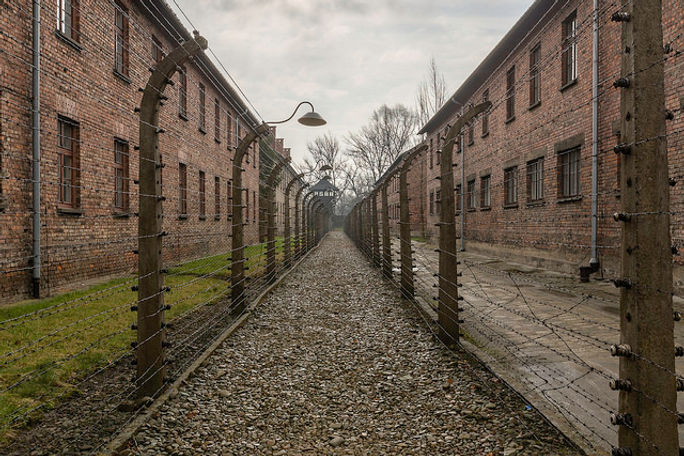
PHOTO: Auschwitz, concentration camp, Poland. (photo via Flickr/Rodrigo Paredes)
Auschwitz-Birkenau
One of the most significant Holocaust memorial sites in the
world, Auschwitz-Birkenau, located in southern Poland preserves the remains of
the German Nazi concentration and extermination camp where over a million people
were brutally murdered, the vast majority of them Jews. Today, the site serves
as a museum, memorial and educational center. Visiting is not just a history
lesson but an encounter with the evidence of the Holocaust and the human lives
destroyed by heinous Nazi hatred and persecution.

Alcatraz Island (Photo via Lauren Bowman)
Alcatraz Island
Every visitor to San Francisco needs to see Alcatraz at
least once. Located just 1.25 miles from shore, this infamous prison is one of
the city’s popular attractions. Best known for its reputation as a
maximum-security federal penitentiary, Alcatraz housed some of the nation’s
most unmanageable convicts. Al Capone, Machine Gun Kelly and Robert “Birdman” Stroud
were among the “invited” guests to the 12-acre island known as “The Rock.”
The island is accessible only via boat tour. Visitors can
stroll past decrepit and crumbling cell blocks of the
abandoned and reportedly haunted prison, closed since 1963.
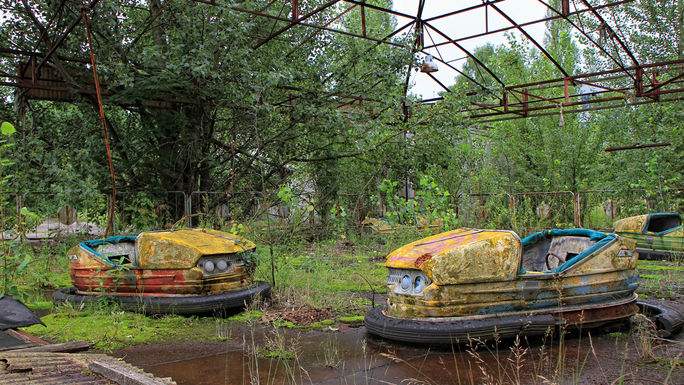
PHOTO: Abandoned fairground rides in Chernobyl (photo via Pixabay)
Chernobyl Exclusion Zone
This abandoned landscape surrounding the April,1986 nuclear
disaster has become of the world’s most famous examples of dark tourism. In the
aftermath of the catastrophic accident, communities were evacuated, homes were
abandoned and a large area of northern Ukraine was placed under restrictions
because of severe radioactive contamination.
The Soviet authorities evacuated the city of Pripyat, built
for plant workers and their families the following day, but roughly 36 hours
after the accident. Today, its empty apartment blocks, schools, hospitals and
overgrown streets have become powerful symbols of a community abruptly uprooted,
whose lives were changed overnight. The yellow Ferris wheel at Pripyat’s
abandoned amusement park has become a defining image of Chernobyl tourism, as
it the park was due to open on May 1, 1986, just days after the accident.
As of October 2026, the exclusion zone remains closed to
regular tourists amid Russia’s ongoing war against Ukraine. Before the invasion
however, licensed operators offered guided day trips from Kyiv.
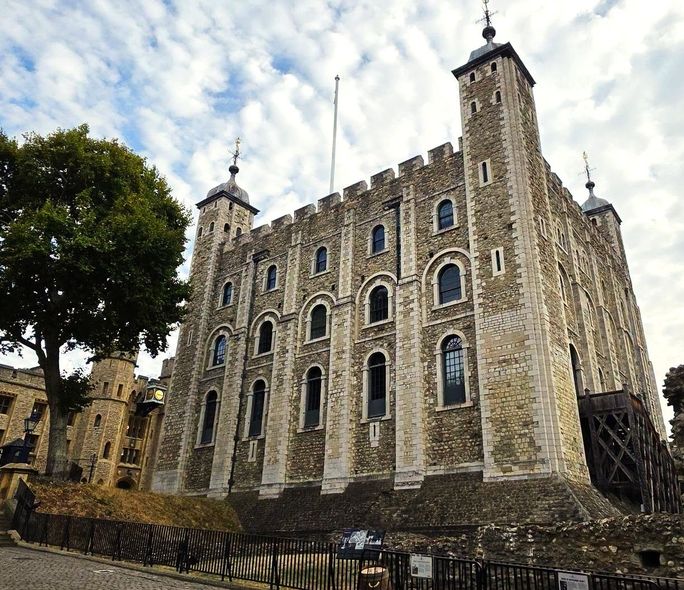
Tower of London (Photo Credit: Noreen Kompanik)
Tower of London
Centuries of imprisonment, executions, political intrigue
and royal history give this famous landmark fortress, one of London’s top
attractions, a particularly dark past. Situated on the River Thames, the Tower
of London housed political prisoners considered threats to the Crown, including
royalty, nobles, religious dissenters and suspected spies.
Torture instruments such as the rack, were used during
periods of political and religious turmoil and several high-profile prisoners
were beheaded inside the grounds or publicly executed. It is said that the
ghost of Anne Bolyn, Henry VII’s second wife, imprisoned and beheaded here in
1536 haunts the area around Tower Green, along with the ghosts of former prisoners
and vanished royal figures.
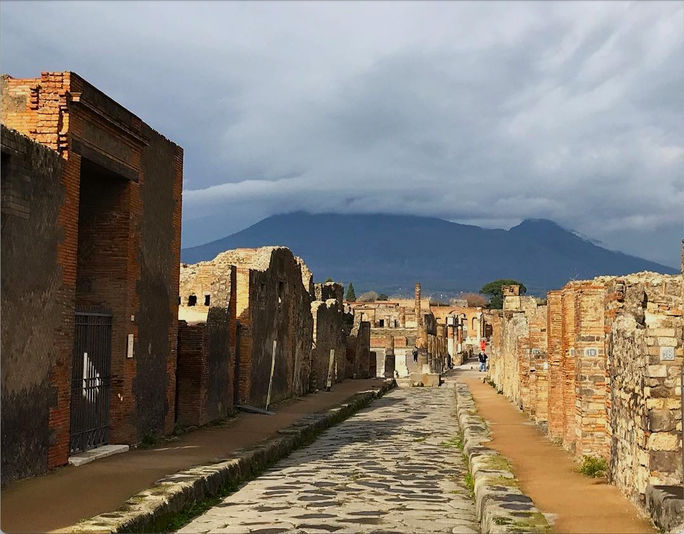
Pompeii, Italy (Photo via Noreen Kompanik)
Pompeii Archaeological Park
The preserved ancient Roman city frozen in time, offers an
unusually vivid look at life —and death, during the catastrophic eruption of
Mount Vesuvius in Southern Italy in 79 AD. The city was buried beneath volcanic
ash and pumice killing thousands of people and destroying buildings, streets,
shops, artwork and homes within 24 hours of the eruption, with some areas
engulfed in as little as 10-20 minutes.
Today, visitors can walk through the impressive remains of a
once-bustling Roman city, passing homes, bathhouses, temples, bakeries and
public spaces that reveal how people lived nearly 2,000 years ago. Pompeii is
especially compelling for dark tourism because its tragedy is not just a story
from ancient history: the archaeological evidence offers a deeply personal
glimpse of people caught in a sudden catastrophe.

Gettysburg National Military Park. (Photo via Soaptree / Flickr / Creative Commons)
Gettysburg National Military Park
It was the infamous, bloody Battle of Gettysburg that
resulted in over 51,000 casualties during the Civil War. Today, the surrounding
countryside is dotted with mountains, cannons, stone walls and preserved
battlefields.
Gettysburg’s most intriguing places to visit include Devil’s
Den, the boulder-strewn landscape which was the scene of fierce fighting and
Gettysburg National Cemetery with more than 6,000 U.S. soldiers and veterans
buried here. Visitors also visit the battlefield because of its reported
paranormal accounts which include apparitions of soldiers, sounds of battle and
unexplained photographs and equipment malfunctions.
Catacombs of Paris
While Paris is known for its magnificent sites, world-class
art, exquisite food and romantic atmosphere, there’s a much darker side beneath
the city of light: the Catacombs of Paris with miles of dimly lit underground
tunnels containing carefully arranged skull and bone remains of an estimated
six million Parisians.
It has become one of the world’s most unsettling historical
attractions because rather than a traditional cemetery, the Catacombs were
created when Paris was dealing with overcrowded burial grounds and serious public-health
concerns.
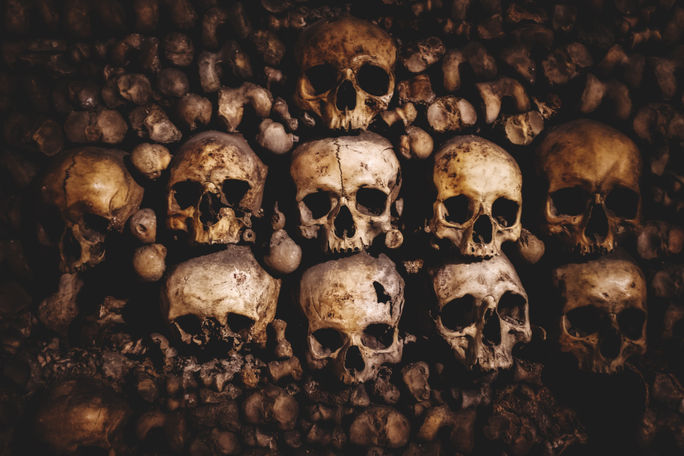
Human skulls and bones stacked up inside the Paris catacombs. (Photo Credit: Adobe Stock/Netfalls)
Eastern State Penitentiary
The crumbling former prison in Philadelphia opened in 1829,
designed around a revolutionary idea that harsh solitary confinement practices
might inspire remorse and rehabilitation. The prison drew criticism from
reformers like Benjamin Franklin and Dr. Benjamin Rush who advocated for a more
humane approach to incarceration.
Today, the abandoned complex is a museum and historic site
where visitors can explore the cells, learn about its notorious inmates and consider
the complicated history of American incarceration. It remains famous for its
eerie paranormal activity.
For the latest travel news, updates and deals, subscribe to the daily TravelPulse newsletter.
Topics From This Article to Explore


