Despite many world travel adventures under my belt, surprisingly, this was
my very first visit to Jamaica. And what a wonderful experience turned out to
be— with many pleasant surprises along the way.
Known for its reggae music, stunning beaches, jerk cuisine,
rum and Rastafarian culture, Jamaica is the third largest island in the
Caribbean. It sports white-sand beaches, coral reefs, and tourmaline waters,
but also mountain ranges, tropical forests, waterfalls and rivers.
On October 28, 2025, however, Hurricane
Melissa made landfall as a Category 5 hurricane, the strongest ever
recorded on the island. Sustained winds reached 185 miles per hour, more than
90 deaths were attributed to the storm that caused catastrophic damage across
Jamaica, destroying homes, damaging infrastructure, flattening crops, and
causing severe flooding and landslides. Parts of the island such as Montego Bay
and its environs on the northwest coast hit hardest by the storm are still
working through the damage.
Aside from its awe-inspiring natural beauty however, it is the spirit
of the Jamaican people that is likely its most profound strength. And this has
led to an
impressive effort by the government and its citizens to recover from the
catastrophic event.
Minister of Tourism, The Honorable Edmund C. Bartlett said
in a statement, “Though the resilience of Jamaica, we are not bringing back the
Jamaica that was, but rather creating a new Jamaica. Our people have
hospitality in their DNA, and our tourism goal is to provide a destination that
offers a safe, secure and seamless experience for visitors.”
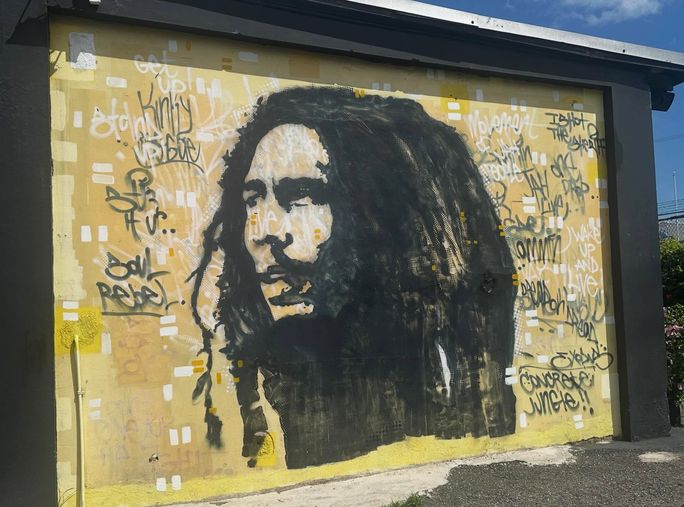
Bob Marley- Tuff Gong Studio (Photo Credit: Noreen Kompanik)
Bob Marley and The Birth of Reggae
Kingston is not only the capital of Jamaica, but it's the
place where reggae was born. One of the most famous reggae artists in history
and one of the most influential musicians of the 20th century,
Marley grew up in Kingston and helped transform the music type from a local
Jamaican genre into a global cultural force.
It’s worth a Kingston visit if for none other than
connecting with the Bob Marley legacy. The Bob Marley Museum is located in
Marley’s formal home at 56 Hope Street and is one of Jamaica’s most visited
cultural attractions. With a guided tour, visitors can see Marley’s living
quarters and personal belongings of he and his family.
Tuff Gong Studio was a moniker for the star who was tough,
resilient and it became the name of his record label and studio operation. The recording complex was opened by Marley and his wife, Rita, an accomplished
reggae artist, vocalist, business leader and philanthropist in her own right.
Tours of the facility include the largest recording studio in the Caribbean,
rehearsal rooms, a collection of Bob and Rita Marley’s vinyl records along with
other historic Jamaican, reggae and other famous artists.
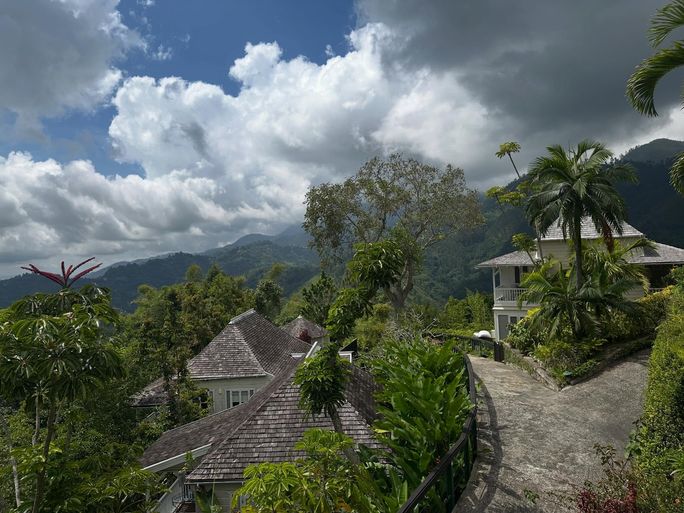
Jamaica's Blue Mountain Views (Photo Credit: Noreen Kompanik)
Exploring the Blue Mountains
The Blue Mountains are one of Jamaica’s most spectacular
natural landmarks, getting their name from the dense vegetation and mist that
frequently covers the peaks. Stretching across eastern Jamaica, they contain
the island’s highest peak and are renowned worldwide for the scenery,
biodiversity, coffee and cultural history. The cloudy microclimate is vastly
different from Jamaica’s tropical beaches.
Jamaican Blue Mountain Coffee is often considered one of the
world’s most prestigious coffees. Guaranteed if you’re a coffee lover, you’ll
be taking some home with you.
The Maroon Communities
Jamaica’s Maroon communities are descendant societies of
Africans who escaped enslavement on plantations during the Spanish and British
colonial periods and established independent settlements in Jamaica’s interior—especially
in the mountains and dense forests. They built self-governing communities in
hard-to-reach places, and the word ‘Maroon’ likely evolved from the Spanish cimarrón,
meaning “wild” or “runaway.”
While there are four officially recognized Maroon
communities in Jamaica today, I had the opportunity to visit one of the
villages, the Windward Maroons located in the Blue Mountains of Moore Town. The
visit included a narrated tour of the museum filled with historic artifacts,
followed by a classic Maroon lunch served in a calabash, and an interactive
classic Gombeh drum and Kromante dance on the village stage.
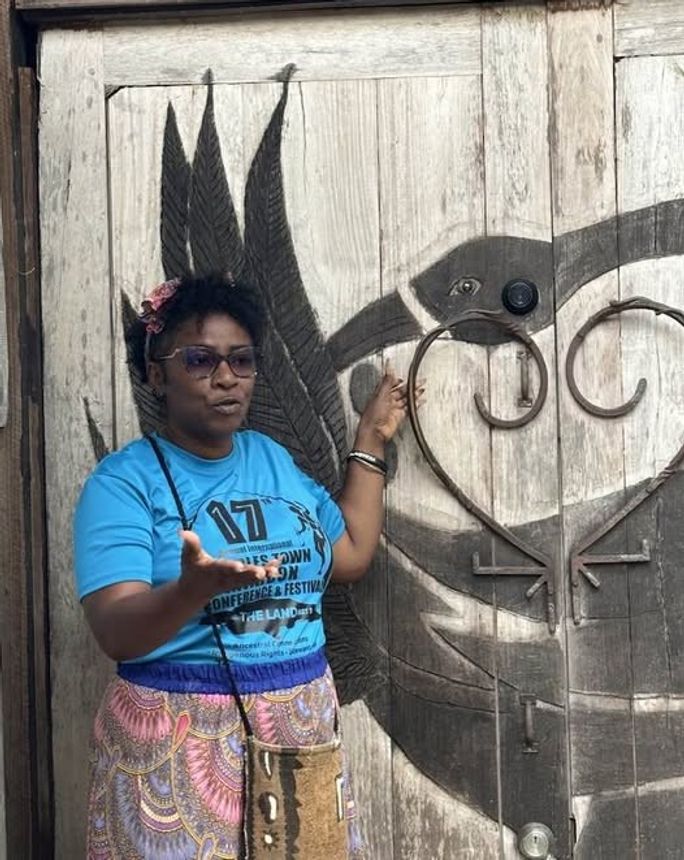
Learning about the History of Jamaica's Maroon Communities (Photo Credit: Noreen Kompanik)
Strawberry Hill
Perched about 3,100 feet in the Blue Mountains just outside
of Kingston, Strawberry Hill is one of the most iconic luxury retreats in the
mountains, purchased and developed by Chris Blackwell, the music executive who
helped launch Bob Marley’s career.
It’s worth a drive even if you’re not staying overnight to
see the impressive nature retreat, take in its stunning 365-degree views and
lunch on “New Jamaican Cuisine” such as lamb curry, oxtail, jerk chicken
callaloo, fish stew and that mouthwatering Jamaican bread pudding made with
rum.

BushBar Restaurant at Geejam Resort (Photo Credit: Noreen Kompanik)
Geejam
Combining a rainforest resort, private villas, cabins, a
beach hideaway and a world-class recording studio all in one place, Geejam is
located in Port Antonio (Portland Parish) on the northeastern coast of Jamaica,
where the Blue Mountains meet the Caribbean Sea.
The resort is often described as a “creative hideaway” for
artists, producers and travelers looking for privacy and inspiration. What
makes Geejam different from most resorts is that it’s one of the few places in
the world where you can stay in a jungle villa overlooking the Caribbean Sea and
step into a professional recording studio where hit songs are made. Yet, you’re
near Frenchman’s Cove (one of the best beaches in Jamaica), close to the Blue
Lagoon and not far from hiking and waterfalls.
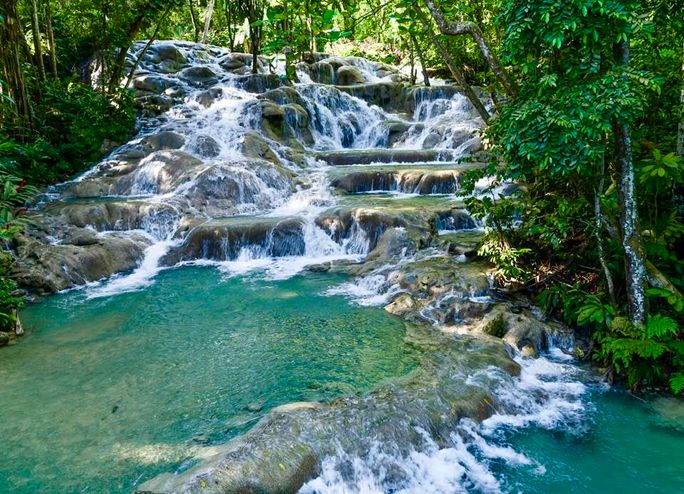
Dunn's River Falls, Jamaica (Photo Credit: Noreen Kompanik)
Waterfalls and Caves
Though there are over 100 documented waterfalls and cascades
dotting the island. I had the chance to visit one of my bucket list wishes, the
iconic Dunn’s River Falls, located near Ocho Rios, the most famous in Jamaica.
Water flows from the falls directly into the sea, smooth limestone terraces
create natural steps and visitors can climb the waterfall in guided groups.
It’s as beautiful as I’ve heard it described.
Another of Jamaica’s treasures is located on Jamaica’s
scenic North Coast. The Green Grotto caves are just over three km from the spot
where Christopher Columbus landed in 1494 and sought after as a hideout by the
Spanish during the English’ takeover of the island in 1655 and a haven for
runaway slaves in the 18th century.
A series of limestone cave systems with tunnels, massive
chambers with stalactites and stalactites and a clear underground lake inside
the cave contribute to the cavern’s beauty and fascination. The cave is so
named for its natural rock formations covered with green algae and visitors can
book a one-hour guided walk that descends deep inside the geological wonder.
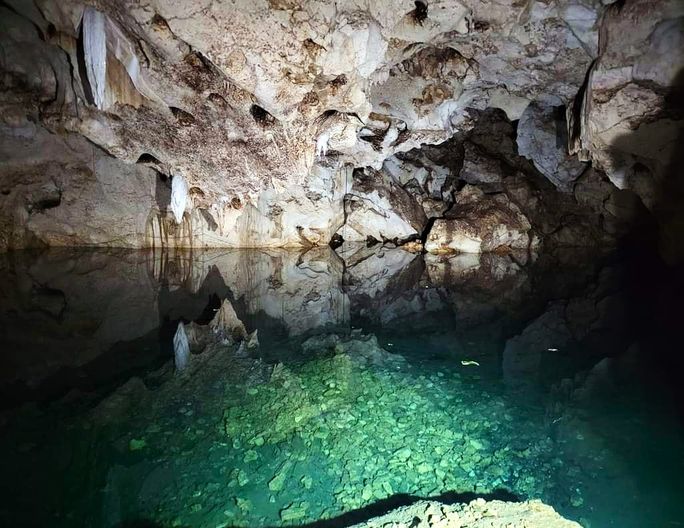
Jamaica's Green Grotto Caves (Photo Credit: Noreen Kompanik)
In Jamaica, rhythm is more than music —it is the heartbeat
of daily life through reggae bassline, church hymns and the steady pulse of the
ocean along the shore. That rhythm carries a deeper story of resilience, shaped
by centuries of struggle, survival and reinvention.
Through hardship, hurricanes and history, Jamaicans have
continually found ways to laugh, create and rise again with unshaken pride and an
unmistakable spirit. Jamaica’s motto reads “Out of many-One People.” As The
Honorable Edmund C. Bartlett so beautifully explained, “We are more than an
island. We are a living organism, the heartbeat of Jamaica.”
For the latest travel news, updates and deals, subscribe to the daily TravelPulse newsletter.
Topics From This Article to Explore


