Baby boomers (those born between 1946 and 1964) remain one
of the travel sector’s most important audiences in the U.S. — not just because
of their sheer numbers, but because of how
they travel.
This generation represents retired individuals who have both
the time, the flexibility, and the financial means to travel. They are the
single most influential, highest spending, most travel-motivated demographic in
modern tourism and they’re shaping
what senior travel means in a number of different ways.
Though the over 60 crowd’s travel desires and needs may
differ according to health, mobility, destination preference and level of
adventure, one factor remains constant — they’re continuing to check off travel
bucket list experiences they’ve always dreamed of.
We’ve gathered a list of top global experiences to nudge
those travel dreams and provide adventure, cultural enrichment and lasting
memories.
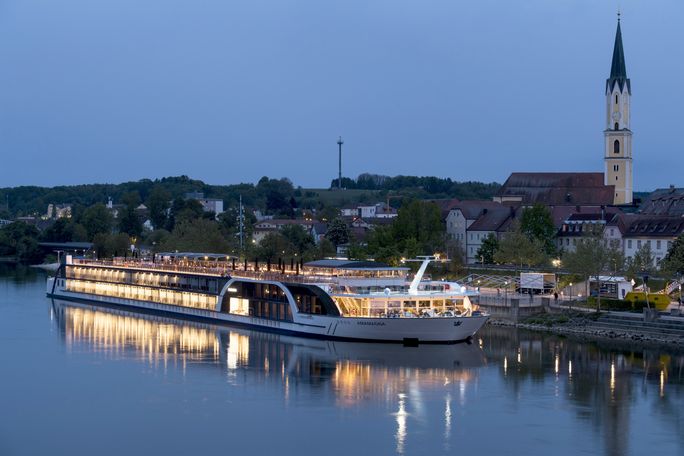
Ama Waterways' AmaMagna in Vilshofen, Germany. (photo via AmaWaterways)
River Cruises
River cruises have increased in popularity with travelers
over 60 because they combine comfort, convenience and cultural sightseeing in a
way that many find appealing. Unlike traditional ocean cruises, river cruises
can dock close to city centers and historic towns, visit multiple destinations
without requiring guests to pack and unpack and offer different levels of
guided excursions.
Because they carry only 100-200 passengers, the trip creates
a quieter atmosphere and the opportunity to easily connect with other
travelers. Popular river routes such as Europe’s Danube River, Rhine River and
Seine River pass through regions rich in history, architecture, art and local
traditions along with stunning landscapes that include castles, vineyards and
villages.
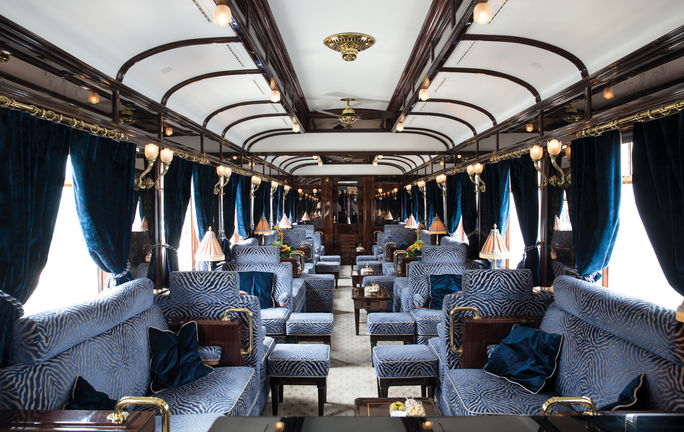
Lounge car interior aboard the Venice Simplon-Orient-Express. (Photo Credit: Railbookers)
Luxury Train Journeys
The journey becomes a major part of the attraction with
luxury train travel. Many trains evoke the glamour of rail travel from the
early 20th century and offer the convenience of not having to deal
with today’s consistent flight delays and road congestion.
Guests can stay in the same cabin along scenic routes
without having to unpack and repack. Fine dining, attentive staff, elegant
lounges and curated excursions are often part of the slower, more immersive
experience. Travelers can choose from ultra-luxury on the Venice
Simplon-Orient-Express with restored Art Deco carriages to multi-day journeys through
the Scottish Highlands, across Africa, Australia, Asia, India and the Rocky
Mountaineer featuring spectacular mountain scenery within the U.S. and Canada.
Health and Wellness Retreats
More and more resorts and retreats are focused on wellness-focused
travel and offer spa services, yoga and health-related programs, combining relaxation
with social engagement and mental stimulation.
This is much in response to wellness travel growing across all
age groups, but adults over 60 often have a unique combination of time,
resources and health-focused motivations. This type of travel also combines
leisure with goals that become more important later in life: maintaining health
and mobility, reducing stress, staying active and finding meaningful
experiences. In addition, destinations around the world offer natural hot
springs and thermal baths like Baden-Baden and Iceland's Blue Lagoon, longevity
and healthy aging retreats such as SHA Wellness Clinic on Spain’s Mediterranean
Coast, Onsen bathing in Japan and active adventures like guided hiking in Banff
National Park to cycling and wellness tours through the picturesque hills of Tuscany.

The women 50-plus travel market will more than double from $245 billion in 2025 to $519 billion by 2035, says a new report. (Photo Credit: Courtesy AdobeStock)
Soft Adventures
This type of travel is again reflective of travelers’ desire
to stay active and mobile. Although the most over-60 group’s activities may no
longer include long, strenuous hikes or heart-pounding adrenaline-induced escapades,
baby boomers can still enjoy “the wow without the ouch!”
Soft adventure travel emphasizes exploration, nature,
culture and lighter physical activity. Some popular options include easy
national park and coastal hikes, biking, canoeing, river or lake kayaking,
jetboating and snorkeling. Some top awe-inspiring destinations for soft
adventure include hiking along the Harding Icefield Trail of Alaska’s Kenai
Fjords, rafting gentle rapids near La Fortuna in Costa Rica, camel rides in
Morocco, kayaking the caves in Portugal’s Algarve and e-bike journeys through
Thailand.
Heritage Travel
Heritage travel is motivated by a desire to connect with one’s
personal, family, cultural or ancestral history. Instead of focusing primarily
on sightseeing, heritage travelers often venture to places that have special
meaning to their identity or family story. The popularity of DNA testing and
family-tree research has sparked interest in experiencing places with family
connections.
Examples include visiting the town where grandparents were
born, exploring ancestral homelands in countries like Ireland, Italy or Germany,
visiting historic neighborhoods, family properties and even meeting up with distant
relatives.
Retirement or semi-retirement also gives people the flexibility
to take longer trips that involve genealogy research, retracing immigration
routes or exploring WWI and WW11 military service histories (in places such as Normandy,
Luxembourg, the Netherlands and the Meuse-Argonne American Cemetery in
northeastern France).

What is the state of sustainable travel? (Photo Credit: Romolo Tavani / Adobe Stock)
Eco-Awareness Travel
Often called sustainable or responsible travel,
eco-awareness travel resonates strongly with the Boomer generation as many in
their 60s and 70s are focused more on legacy and what they leave behind for
children and grandchildren. Travel becomes less about consumption and more
about stewardship.
Eco-awareness travel features a high appreciation for national
parks and wilderness, concern about pollution and overdevelopment and interest
in wildlife conservation. Instead of rushed sightseeing, the over 60
sustainable travel population is into immersive cultural experiences, longer
stays in fewer places, and lower impact transportation such as trains and small
travel groups. Options include eco-lodges in Costa Rica, safari camps in
Botswana, conservation tourism in New Zealand and guided-only wildlife
experiences in the Galapagos Islands.

A cooking class with Choice Touring by Globus (Photo Credit: Globus)
Culinary Travel
As travelers get older, many prefer immersive experiences
over busy sightseeing. Culinary travel is centered around food, cooking and
local dining. These travelers enjoy long, relaxed, multi-course meals over
packed itineraries, local fresh market visits and tastings and cooking classes
that feature regional dishes and traditions, local ingredients and sustainable
farming practices.
Some regions even offer visits to local’s homes where guests
can be part of the entire dining experience from buying the food and produce at
a local market, then preparing the dishes with passed-down family recipes
before finishing with a final meal with the host family. Destinations like
Tuscany, Provence, Columbia, Kyoto, Japan, San Sebastián, Spain, Oaxaca, Mexico,
Porto and Lisbon Portugal and Thailand are renowned destinations that turn
travel into something experienced slowly —one meal, one market, and one story
at a time.
For the latest travel news, updates and deals, subscribe to the daily TravelPulse newsletter.
Topics From This Article to Explore


