
by Mia Taylor
Last updated: 4:10 PM ET, Tue April 23, 2024
Chances are many of us have done it before. After spotting rare wildlife while on safari, we excitedly upload a picture to social media to share the unforgettable experience.
That simple act however, can unwittingly put an animal in grave danger.
“One thing that travelers may not be aware of is that when they travel and post pictures, the geotagging embedded in their devices can reveal the exact location of endangered animals,”Sherwin Banda, president of African Travel, Inc, recently told TravelPulse.
The sad reality is that poachers use geotagging data to track valuable animals and kill them.
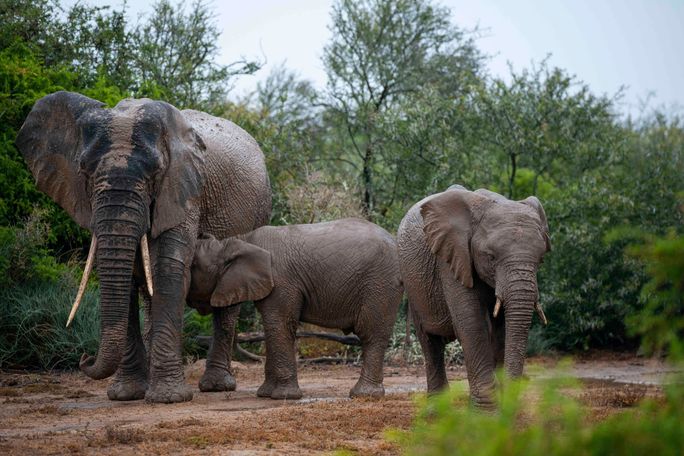
Elephants spotted on safari in Africa with African Travel Inc. (Photo Credit: Courtesy African Travel Inc.)
In honor of Earth Month, African Travel Inc., (which is part of The Travel Corporation) is highlighting this practice in order to educate travelers about responsible tourism and help protect fragile species like rhinos, elephants, and big cats from harm.
“Many travelers are becoming more conscious about the sustainable aspects of global travel. And while that’s a great achievement, there is still much to learn regarding responsible travel and ethical wildlife practices,” says Banda. “Our goal is to ensure that travelers can take pictures safely without inadvertently sharing the locations of vulnerable species.”
The good news is that once informed, travelers can easily take steps to protect endangered wildlife from being tracked through their social media images.
All that’s required is turning off location services on an iPhone, say leaders at African Travel Inc. This can be done under your phone’s Settings, within the “Privacy” menu. You can turn of location services entirely on the phone or just turn it off on your phone’s camera.
For travelers using an Android phone this can also be accomplished under the phone’s Settings menu. Within the menu, select “ Geotags disable.” Alternatively, under the phone’s Settings menu navigate to “Locations” and tap on the green button to turn off the location tracking completely.
Beyond simply disabling the location services on your phone, it’s also best to refrain from identifying the specific location of where a photo was taken in the tags associated with a social media post or within the text you use to describe the experience in your post.
“I would strongly advise against revealing the exact location of the most critically endangered wildlife species,” continues Banda. “While it's okay to mention you've been on a safari and seen the Big 5 (lion, leopard, rhino, elephant and African buffalo) it's not safe to disclose that you saw a black rhino at a specific location, such as a specific private game reserve.”
Even these types of details can provide poachers with the key information needed to hone in on an animal’s location and cause it harm.
In other words, travelers need to go a step further than simply disabling location services on their phones, particularly when it comes to the most at-risk species in Africa. Refrain from “articulating the camp, the reserve, or the exact location where they were sighted,” urges Banda.
It’s also best to be cognizant of the type of animals you’re observing and just how threatened or endangered they are. “For example, it's not advisable to post pictures of rhinos that have not been dehorned, as [the horn is] what poachers are mainly interested in” says Banda.
Geotagging (and the more nefarious uses of such information) is not exactly a new phenomenon. But the dangers associated with such geotags may well be a new concept for many North American travelers who are not fully aware of how the information is used on the African continent. Poachers have long been savvy to looking for the GPS coordinates from social media images.
“They use the latest posts to track animals by going to the exact location where they were last seen,” notes Banda.
Fortunately, there’s a growing effort across African lodges, game parks and more to help spread the word and educate travelers about how best to experience and protect wildlife. This education is slowly beginning to make a difference.
“There is still a long way to go to achieve the desired outcome, [but] this education promotes good conservation practices that everyone should follow, regardless of the continent they are on,” concludes Banda.
For the latest travel news, updates and deals, subscribe to the daily TravelPulse newsletter.
Topics From This Article to Explore


