Growing up in Boardman, Ohio, it was common to be the only Jewish person in the room. By the time I graduated high school, there were just five Jewish students in my class of 418. When I was 16, the weight of that dynamic reached a tipping point. My parents decided to send me on a five-week teen tour of Israel alongside other Jewish high school students, just as they had done for my brother years earlier.
It changed my life.
The year was 1999. It was my first trip outside the United States and, paradoxically, my first journey home. I visited places such as Kibbutz Gezer—founded by American Jews who had made aliyah (the Hebrew word for immigrating to Israel)—and Independence Hall, where David Ben-Gurion declared the re-establishment of the State of Israel after more than two millennia. For someone accustomed to being in the minority, the most reassuring aspect of Israel was simply that being Jewish was the norm. You saw it everywhere: in the tour guides, the street vendors and the people walking down the sidewalk. That instant sense of belonging was something I had previously only felt during my summers at Jewish sleepaway camp.
Beyond that sense of community, one of my fondest memories was camping under the desert stars with a Bedouin guide. And yes, we rode camels—a cliché, perhaps, but an unforgettable one.
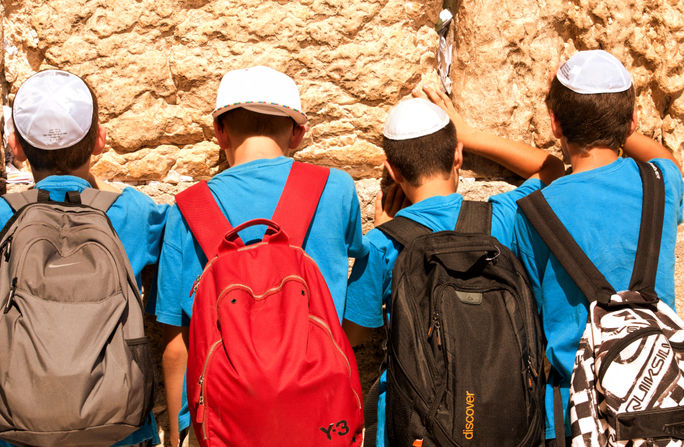
Western Wall, Jerusalem (Photo Credit: Israel Ministry of Tourism)
Then came Jerusalem.
The Western Wall is the last remaining retaining wall of the ancient Jewish Temple complex. As the Babylonian Talmud notes, "Whoever has not seen Herod’s Temple has not seen a beautiful building in his lifetime." While visualizing the ancient structures requires imagination, touching those massive stones for the first time brought that beauty to life spiritually. Though my tour ended shortly after, that moment never left me.
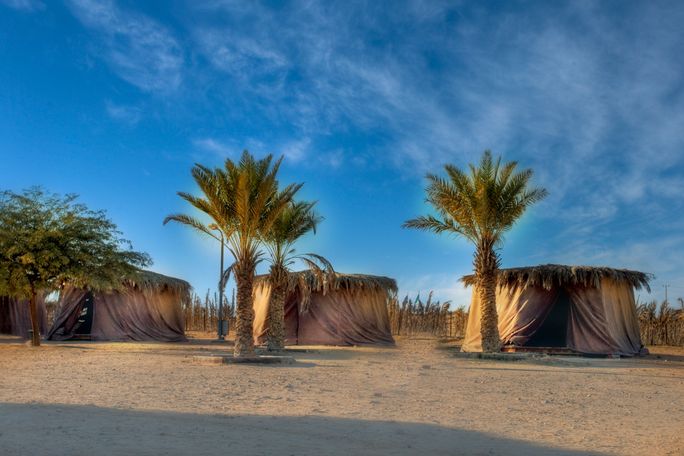
Mamshit National Park Nabataean Khan (Photo Credit: Avinoam Michaeli/Israel Ministry of Tourism)
Fast-forward nine years. I was living in New York City and had been working in Israeli tourism for a couple of years. By 2008, I was building custom itineraries for Jewish travelers and congregations, as well as establishing a foothold in Christian pilgrimages to the Holy Land.
Early on, I harbored a quiet bias: I assumed that in just seven to 10 nights, average travelers couldn't possibly forge the same transcendent bond with Israel that I had experienced. A trip to Israel feels so intensely personal that it’s easy to fall into the trap of exceptionalism—believing your own connection is unique and impossible for others to replicate.
Then the letters started coming in.
Trip after trip, participants wrote to share how deeply moved they were—how their guides inspired them and how they would never be the same. The turning point came after reading a letter from the organizer of a synagogue tour I had personally escorted. My assumption of exceptionalism crumbled.
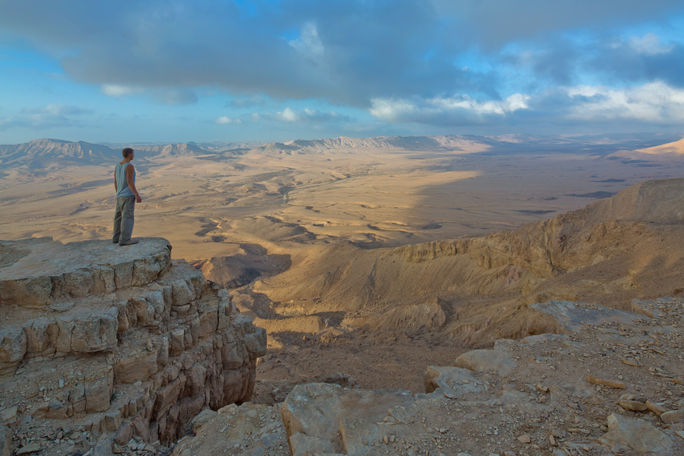
Negev (Photo Credit: Dafna Tal/Israel Ministry of Tourism)
I finally understood that Israel is the world’s deepest well of connection, spirituality and purpose, and that every traveler uncovers their own transformative moment. You don't have to experience it my way to be changed by it; you just have to experience it. Over two years into creating custom programs for synagogues, designing heritage travel for multigenerational families, building custom Israel itineraries, and coordinating Holy Land pilgrimages, I finally understood the path I had already been navigating.
Through economic downturns, a global pandemic and ongoing regional complexities, I have never veered from this path. There is no greater professional privilege than helping others embark on the journey of a lifetime—a trip to Israel that stays in your soul forever.
By Chad Martin, Israel Ministry of Tourism
For the latest travel news, updates and deals, subscribe to the daily TravelPulse newsletter.
Topics From This Article to Explore


