Bavaria is often imagined through its peaks, snow-covered, dramatic, and unmistakably alpine. Yet its lakes offer a different lens, one that feels more intimate and revealing. Along these shores, the landscape softens, and the pace of life follows suit. Water becomes not just a scenic element, but a constant presence, shaping daily routines, seasonal rhythms, and the way visitors experience the region. Around Lake Constance, this interplay is especially apparent, where geography dissolves into a shared cultural space that feels at once expansive and grounded.
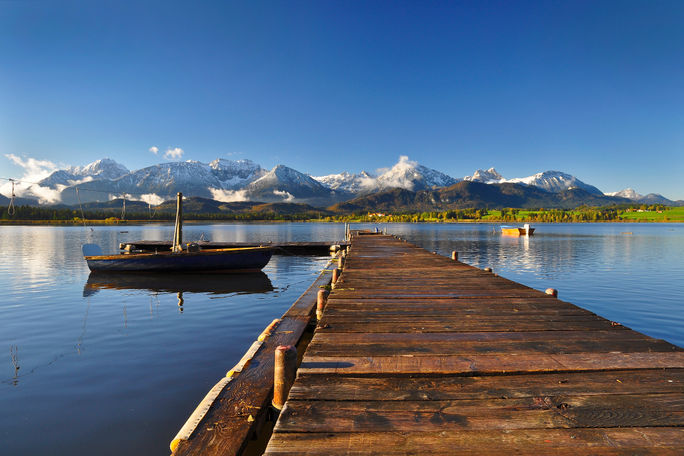
Lake Constance, Bavaria (Photo Credit: Bavaria Tourism)
In Lindau, the relationship between town and water is immediate. The island setting creates a natural boundary, but also a sense of cohesion, everything seems oriented toward the lake. Early mornings unfold quietly, with soft light stretching across the harbor and reflecting off pastel façades.
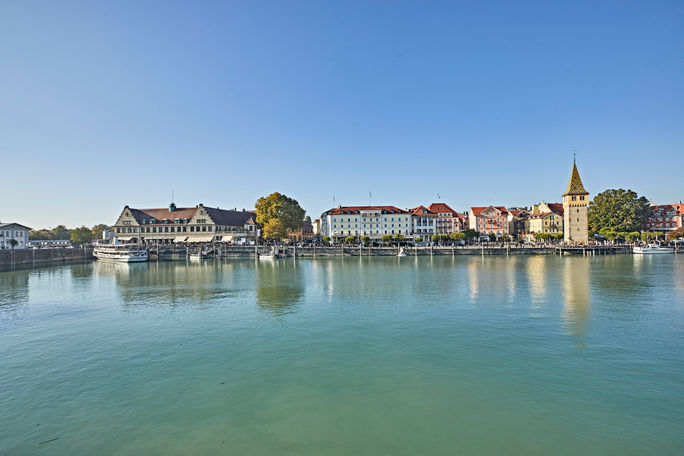
Lindau (Photo Credit: Bavaria Tourism)
By midday, the promenade fills gently, not with urgency but with a steady rhythm of movement. The harbor itself, marked by its historic lighthouse and lion statue, is iconic, yet it functions as more than a landmark; it’s a meeting point, a threshold, and a place to pause.
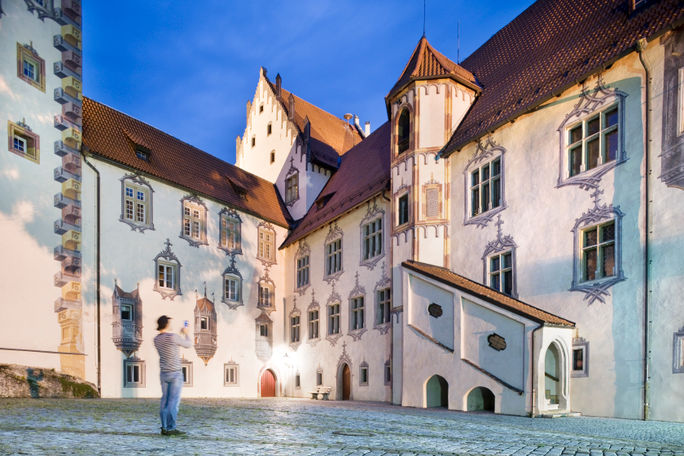
Füssen (Photo Credit: Bavaria Tourism)
Further along, Füssen sits at the edge of the Alps, where lakes and mountains begin to merge into a single visual language. The surrounding waters (Alpsee, Forggensee, and smaller alpine lake) are striking, but their significance extends beyond aesthetics. They are integrated into everyday life: places for walking, cycling, swimming, and gathering. Füssen also serves as the natural gateway to Neuschwanstein Castle, offering visitors a chance to combine lakeside calm with a touch of fairytale grandeur. The reflections of nearby castles and forested slopes may feel almost too perfect, but they are part of a lived environment rather than a staged one.
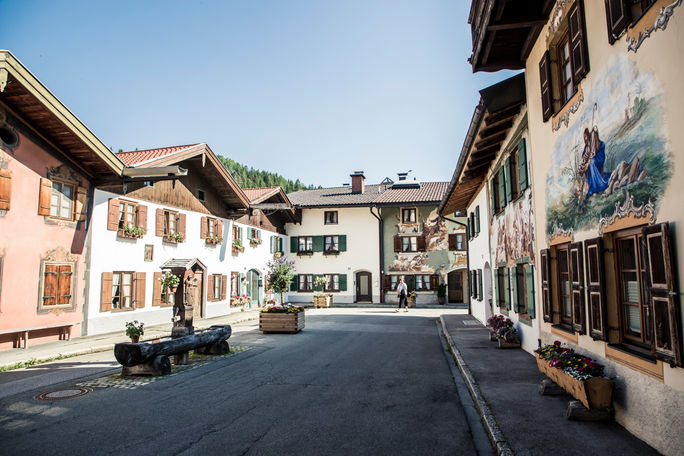
Garmisch-Partenkirchen (Photo Credit: Bavaria Tourism)
In Garmisch-Partenkirchen, the contrast between stillness and scale becomes more pronounced. Known for its proximity to the Zugspitze, Germany’s highest peak, the town carries a certain alpine energy. Yet at lakes like Eibsee, that energy gives way to something quieter. The water, often a deep emerald, mirrors the jagged outline of the mountains so precisely that it blurs the distinction between reflection and reality. Paths circle the lake, revealing shifting perspectives; open vistas, shaded inlets, and moments where the landscape feels almost suspended in time.
What connects these places is not just their proximity to water, but the way water shapes their identity. Bavaria’s lakes are not spectacles in isolation; they are part of a broader ecosystem of culture, history, and daily life. The experience of them is cumulative, built through small, often quiet moments rather than singular highlights. A walk at the edge of the lake, the shifting color of the water throughout the day, the interplay of light and reflection—these are the details that linger.
In a region known for its grandeur, Bavaria’s lakeside retreats offer something more understated but equally compelling. They invite a different kind of attention, one that is less about seeking landmarks and more about observing, lingering, and allowing the landscape to unfold at its own pace.
For the latest travel news, updates and deals, subscribe to the daily TravelPulse newsletter.
Topics From This Article to Explore


