
by Sarah Kuta
Last updated: 3:45 PM ET, Sun December 14, 2025
Booking an Antarctica cruise often comes with a rush of excitement and awe—visions of towering icebergs, waddling penguins and rugged landscapes few people ever get to see. But once the initial exhilaration settles and your departure date gets closer, a practical question tends to creep in: How on earth do you pack for Antarctica? Preparing your suitcase can feel as daunting as crossing the notorious Drake Passage.
Between the frigid zodiac rides, the warm ship interiors and the notoriously unpredictable weather, you’ll need to curate a suitcase that’s ready for extremes without being overstuffed. Here’s how to pack smartly, stay comfortable and fully enjoy the world’s last great wilderness.
Waterproof, Windproof Outerwear
First up, a heavyweight, waterproof parka and waterproof pants are non-negotiable for zodiac rides and shore landings. Many expedition cruise lines supply passengers with one or both of these items for the duration of the trip, which not only ensures you’re outfitted properly but also saves you precious space in your suitcase. If you are bringing your own, however, look for outerwear that is robust enough to block icy gusts and chilly splashes while letting you move freely as you navigate penguin-dotted beaches and rocky terrain.
Base Layers
Pack moisture-wicking thermal tops and bottoms—think: long underwear—to keep you warm without overheating. Merino wool is ideal, as it insulates even when damp and can be worn multiple days before needing a wash—key for compact packing.
“Even with a parka, this base layer is what keeps guests warm and comfortable when temperatures shift,” says Molly Grzeca, manager of expedition cruises for Abercrombie & Kent.
Insulating Mid-Layers
Depending on the conditions and your tolerance for cold, you may want to wear another layer atop your base layer. A mid-weight fleece jacket and pants are ideal, and can be easily added or removed as temperatures swing.
Waterproof Gloves and Liners
Your hands will face constant wind and splash during zodiac rides and landings, so insulated, waterproof gloves are crucial. Also bring glove liners or a thinner pair that you can wear under your waterproof gloves, which make it easy to take photos or adjust your gear without exposing your skin to the cold, says Emma Gailey, a senior polar specialist at Audley Travel.
“For me, my biggest essential for Antarctica is not one, but two pairs of gloves,” she adds. “You truly will get use out of both.”
Think of the outer layer like the shell of a parka, she says, while the thinner, interior pair are more like your “action” gloves.
“I found it impossible to take pictures on my phone or camera with my big gloves on, and with no gloves at all it was so cold,” she adds. “My thin gloves always have the texting fingers or are fingerless so I can easily point and shoot whenever I need. I always choose pairs that can slide under my big gloves so, in the moment, I can rip off my big pair and get ready to take a shot.”
Sturdy Boots
Most expedition cruises provide rubber “muck boots” for landings, which you’ll need to thoroughly disinfect every time you get back on the ship. But if yours doesn’t offer this perk, bring your own waterproof boots with good traction, since you’ll be walking on rugged, uneven terrain. Ideally, your boots will have a relatively tall shaft, since you’ll be stepping in and out of shallow water during landings—and you don’t want the icy waters of the Southern Ocean to reach your feet.
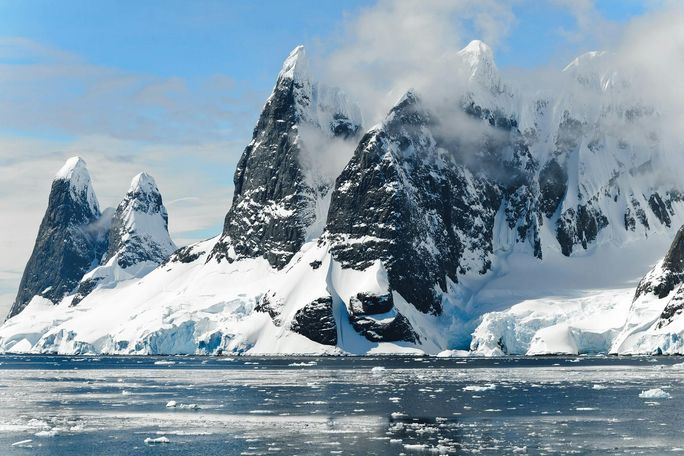
Make sure your waterproof boots have good tread for exploring Antarctica's rugged terrain. (Photo Credit: Pexels)
Warm Socks
Nobody likes having cold feet, so socks are a vitally important part of your Antarctica packing list. Prioritize moisture-wicking, insulated pairs that retain warmth even when damp, such as those made from merino wool. Bring multiple quick-drying sets to rotate daily, ensuring consistent comfort and protection in the extreme polar conditions.
If your feet tend to get cold easily, bring thin liners to wear beneath your thicker socks, too.
“Many guests pack warm socks but forget thin silk or polypropylene liners,” says Grzeca. “The combination helps keep feet warm and dry during zodiac outings and landings.”
Headwear and Neck Protection
There will likely be some amount of wind during your trip, whether from natural gusts or the rush of air during a speedy zodiac ride to shore. As a result, your head and neck will get cold—particularly your ears.
Bring a windproof, ear-covering beanie or thermal hat for your head, as well as a gaiter or buff for your neck (or a balaclava to do both jobs at once). These small items make a huge difference in overall comfort, especially on landings and exposed ship decks.
“Wind chill in Antarctica is no joke,” says Grzeca.
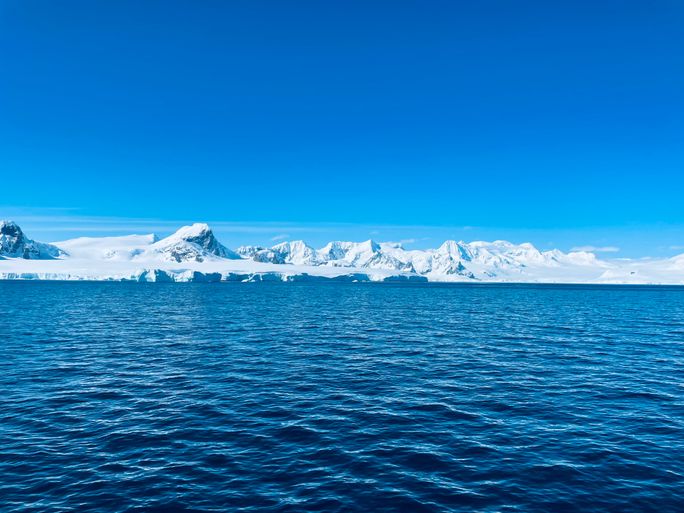
The sun can be intense in Antarctica. (Photo Credit: Sarah Kuta)
UV Protection
The Antarctic sun reflects intensely off snow and ice, making high-SPF sunscreen, lip balm and polarized sunglasses essential. Your eyes and skin will thank you.
Since they’re so small and don’t take up much room in your suitcase, pack at least two pairs of sunglasses, just in case.
“Having a backup pair ensures guests aren’t caught unprotected if one set fogs, breaks or gets lost,” says Grzeca.
Pro tip: In addition to sunglasses, also bring a pair of ski goggles. They’ll not only protect your eyes from spray and wind during zodiac rides, but they’ll also stay firmly attached to your face—no chance they’ll accidentally blow off as you head to and from shore.
Photography Gear
If you’re bringing a camera, pack extra batteries and memory cards—the cold can drain power quickly and you’ll likely be taking more photos than you expect. And if you’re getting a new camera or lens specifically for the trip, be sure to play around with it at home first, so you aren’t wasting precious time fiddling with dials that you could be spending ogling penguins and seals.
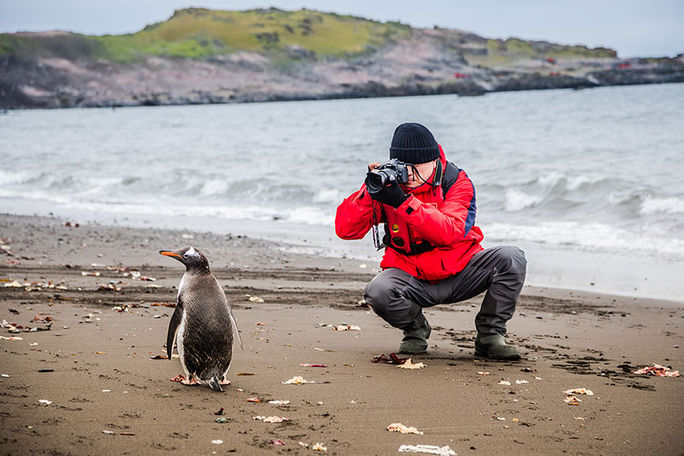
Get familiar with your camera gear before your trip. (Photo Credit: Abercrombie & Kent)
Waterproof Bag
A small or medium-sized waterproof bag keeps your essentials organized and safe during landings, says Jozef Verbruggen, founder and director of Untamed Travelling. Look for one that fits comfortably yet snuggly over your parka (and keep in mind that, for safety reasons, you will probably need to set it on the floor of the zodiac until you reach shore).
“It's perfect for storing lightweight but useful items, such as extra clothes, a water bottle, binoculars or spare batteries for your camera,” he says.
Cell Phone Case
Even if your phone is waterproof to some degree, a cell phone case is always a good idea, as it will protect your phone from any spray, rain or snow you encounter during zodiac rides.
Casual Clothing
Inside the ship, you’ll find a cozy, relaxed environment. Pack comfortable layers like jeans, sweaters, sweatshirts and t-shirts so you can unwind after a day of exploration without overheating in expedition gear. Non-slip, heelless shoes—like sneakers—are ideal for walking around on the ship, because the waves and the swell can make things a bit rocky onboard.
The vast majority of expedition lines keep things casual—there usually aren’t formal nights on these types of voyages. But it can vary, so be sure to check with your specific line (and, hey, if you enjoy getting more dressed up for dinner, no one’s going to stop you).
Swimwear and Workout Gear
These days, many expedition ships have well-equipped fitness centers—so you can stick to your routine even while traveling to the end of the earth. If you’re planning to work up a sweat on board, remember to bring workout apparel and shoes.
Also, pack at least one swimsuit so you can take advantage of onboard amenities like hot tubs, steam rooms, saunas and pools—and, if you’re feeling brave, participate in activities like the polar plunge.
Seasickness Solutions
The Drake Passage is legendary for a reason, so come prepared with seasickness medications like Bonine or Dramamine, ginger chews or acupressure bands. The infirmary or reception desk will probably also have some on hand, too, but you can never be too prepared. Even the most seasoned sailors appreciate having options nearby when the ocean gets lively.
“The ship doctor always has some on board, but when you are feeling sick, you may not want to go around the boat trying to find them,” says Gailey.
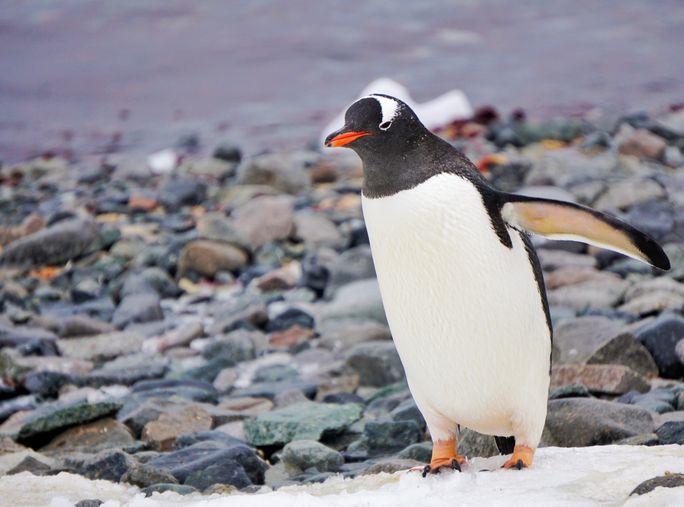
Use binoculars to look for distant penguins. (Photo Credit: Sarah Kuta)
Reusable Water Bottle
Did you know Antarctica is technically a desert? It’s not only the coldest, highest and windiest continent on the planet, but it’s also the driest.
Trips here can be surprisingly dehydrating, so a sturdy, insulated water bottle is a must. Bring a bottle you’ll actually enjoy carrying to encourage drinking throughout the day. Also, since many Antarctica expedition cruises have a sustainability focus, bringing a reusable water bottle means you won’t be reliant on single-use plastic bottles—which is a good practice no matter where you are, but is especially symbolic while exploring this pristine yet vulnerable landscape.
Along those same lines, bring any products you’d use to combat dryness at home—like your favorite moisturizing lotion, soothing lip balm, eye drops or nasal spray.
Hand and Foot Warmers
Stock up on hand and foot warmers, which are lightweight, inexpensive and extremely effective on colder days—especially if you tend to run cold, says Grzeca.
Or invest in a pair of heat-retaining insoles, which Verbruggen describes as a “secret weapon” for Antarctica travel.
“They’re like slipping tiny personal heaters into your boots, and your toes stay warm even when you’re standing still on ice watching the wildlife,” Verbruggen adds. “Warm feet keep you comfortable enough to stay out exploring instead of racing back to the ship for heat.”
Binoculars
Your cruise line may provide binoculars to use during the trip, either in your room or in the vessel’s common areas. But if not—or if you’re not keen on sharing—be sure to bring your own lightweight, compact pair.
“Antarctica has a way of turning everyone into a wildlife detective, always on the lookout to spot distant whales, watching seals nap or zooming in on penguins,” says Verbruggen. “You’ll see so much more of the continent’s beauty when you can magnify it.”
Small Flashlight
You may be a night owl, while your travel companion might be an early riser. Either way, Grzeca recommends bringing a small flashlight so you can quietly rummage through your cabin without disturbing them.
Cards, Games and Reading Materials
Between shore landings, you’ll be relaxing onboard, so you’ll have ample time to catch up on reading, play games, attend lectures and more.
Most expedition lines have a well-stocked library, complete with books, magazines, games and puzzles. But if there’s a particular form of entertainment you prefer—and you can easily fit it in your suitcase—go ahead and bring it. These items can also be handy for the long travel time to and from your departure port—typically Ushuaia, Argentina, the southernmost city in the world.
For the latest travel news, updates and deals, subscribe to the daily TravelPulse newsletter.
Topics From This Article to Explore


