Both to bolster their
local economies and as a means of combatting overtourism,
an increasing number of global destinations are charging tourists taxes or fees
just for visiting. You’ll frequently find them tacked onto your hotel bill, but
sometimes they’re collected immediately upon arrival.
Now that the
pandemic is over and tourism numbers have rebounded around the world—sometimes
exceeding pre-Covid norms thanks to the “revenge travel” phenomenon—tourism
sustainability is top of mind for many destinations that traditionally struggle
with overtourism, and the industry’s negative impact on its residents’ quality
of life.
Guy Bigwood, who co-wrote
the 2020 report ‘Tourism
Taxes by Design’ told Lonely Planet
that the supplemental revenue from levying fees on visitors is quite often
being used to fund destinations’
sustainability initiatives. “Tourism taxes, and especially
assessments or levies, can help with this,” he said.
Overtourism also
impacts the sustainability of tourism in general in many locations, leading
multiple destinations to leverage fees on foreigners as a means of managing
visitor volumes. “Tourism taxes and assessments are being considered as a tool
to control numbers,” Bigwood added. Because charging visitors lessens the
tax burden on locals, it also helps improve residents’ quality of life and soften
the blow of tourism’s ill effects.
Whereas some
places are introducing such tourist taxes for the very first time this year,
others are planning on hiking up the price. Below, we’ve laid out the details
about several popular international destinations that will be charging new or
higher visitor fees in 2024.
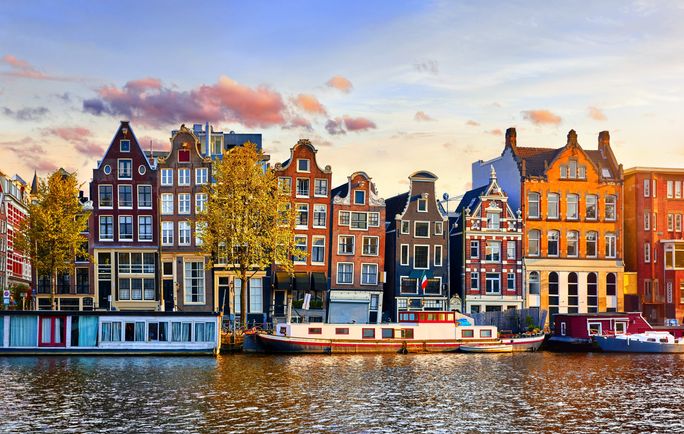
Historic buildings in Amsterdam, the Netherlands. (photo courtesy of Collette) (Photo Credit: Provided by Collette)
Amsterdam, The
Netherlands
Amsterdam,
already home to Europe's
highest tourism tax, plans to raise its hotel room tax from 7 percent to 12.5
percent in 2024. In addition, cruise-ship passengers will see their daily tariff
fee climb from €8 to roughly €11 per person.

Hindu temple in Bali, Indonesia. (photo via pawopa3336/iStock/Getty Images Plus)
Bali, Indonesia
Starting February
14, non-Indonesian visitors will face
a fee of 150,000 IDR (roughly $10) per person, generating funds that will
be dedicated to cultural and environmental conservation. Travelers will be
required to pay upon arrival at one of five dedicated counters at Bali’s
international airport.

Barcelona at night. (photo via kanuman / iStock / Getty Images Plus)
Barcelona and
Valencia, Spain
Barcelona's
existing municipal tourism
tax will rise in April 2024, a move that will affect travelers staying in government-regulated
accommodations in the city. The fee, which is currently assessed at €2.75 per
night (US$3.01), will increase to €3.25 (US$3.56) per person, per night. But can
vary based on the value of a rental property. Visitors will only be charged
this tax for the first seven consecutive days of their stay.

PHOTO: Aerial view of Old Town in Valencia, Spain (Photo via Leonid Andronov/iStock/Getty Images Plus)
Meanwhile, the Spanish
region of Valencia is also reportedly readying to enact its own tourism tax, which
will range anywhere from 50 cents to €2 (US$2.19) per person, per night, based
on the accommodation (hotel, rental property, B&B or campsite). Note that the
fee will be assessed on those staying anywhere in the region, not just in the
city proper.

Oia town in Santorini, Greece. (Photo via iStock/Getty Images Plus/Maglara)
Greece
The Greek government
just announced a new tax on tourists for 2024, which it will use to help pay
for last year’s forest fires and flooding damage. This new fee for visiting
foreigners will partially replace Greece’s previous “bed tax” and the amount
charged will fluctuate according to the season. It will also depend upon the
level and rating of the hotel in which guests are staying, or, alternatively,
the short-term rental property.

Reykjavik, Iceland. (photo via SuppalakKlabdee / iStock / Getty Images Plus)
Iceland
While the exact
amount of this upcoming fee has yet to be announced, it is set to be implemented
sometime this year. Still, Icelandic Prime Minister Katrín Jakobsdóttir assures
travelers that the tax won’t be too high and that the funds will be used to
support sustainability initiatives.
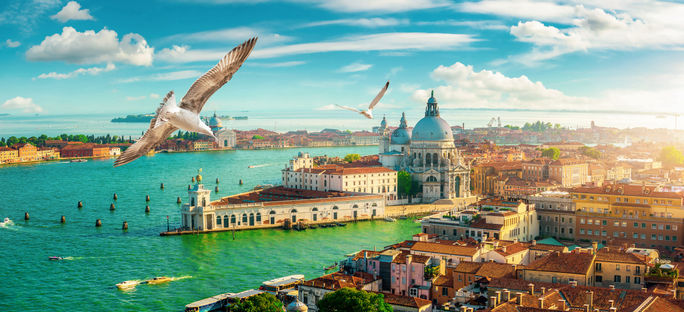
Seagulls soaring over Venice, Italy. (Photo Credit: iStock/Getty Images Plus/Givaga)
Venice, Italy
As it has been threatening
to do for several years now, the port city of Venice
will start
charging day-trippers €5 (US$5.40) to enter the famous Floating City’s
historic center. This won’t apply every day, though. Instead, the fee will be
assessed on high-volume days—30 non-consecutive days, to be exact—of the year.
These will likely fall within such peak periods as spring break and the summer
holidays. The purpose of this particular tax is, in large part, to help control
visitor numbers, as Venice is among the global cities facing the worst overtourism
challenges.
For the latest travel news, updates and deals, subscribe to the daily TravelPulse newsletter.
Topics From This Article to Explore


