On June 19, 1865, Union General Gordon Granger arrived in
Galveston and delivering General Order No. 3, announced that enslaved people in
Texas were now free —more than two years after Abraham Lincoln issued the
Emancipation Proclamation.
Combining June and the nineteenth, Juneteenth has been
celebrated in the U.S. since 1866. It gained momentum following the nationwide
popularity of the Black Lives Matter movement and became a U.S. federal
holiday in 2021 when President Joe Biden signed legislation establishing
Juneteenth National Independence Day as an official federal holiday.
Juneteenth
celebrates the end of slavery in the U.S., African American freedom and
resilience and Black history, culture and achievements. Historical
preservations, marches, educational events, family gatherings and cookouts and
music, art and cultural celebrations are all part of honoring the freedom of the
once enslaved African
Americans.
Galveston, Texas
As the birthplace of Juneteenth, Galveston holds deep
historical significance, offering visitors a meaningful opportunity to connect
with the history and legacy of freedom. Each June, Galveston comes alive with
parades, music, storytelling and more in honor of Juneteenth.
The 2026 Galveston Island Juneteenth Festival &
Celebration will feature community events, live entertainment, cultural
programming, food vendors and opportunities to reflect on this pivotal moment
in American history.
Visitors can also experience the Juneteenth Freedom Walk, a
self-guided journey through five significant sites across the island that
highlight the people, places, and stories connected to Juneteenth and its
lasting impact on the nation.
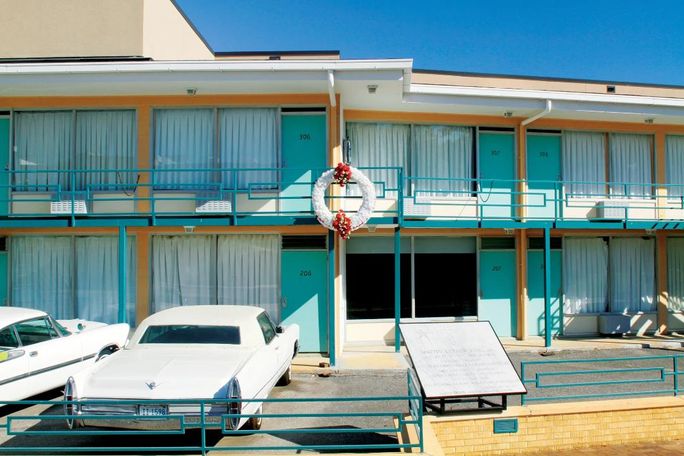
Lorraine Motel, Memphis, Tennessee (Photo Credit: Tennessee Tourism)
Memphis, Tennessee
Memphis sits at the intersection of African American
history, music, Civil Rights and Black culture.
The city is closely associated with Martin Luther King, Jr.
who was assassinated there in 1968. The National Civil Rights Museum, located
at the former Lorraine Motel, is one of the most important civil rights museums
in the United States providing historical context for the long journey from
emancipation to the civil rights movement and beyond. Other celebrated events
include the Memphis Juneteenth Festival, Douglass Freedom and Heritage
Festival, along with many other events.
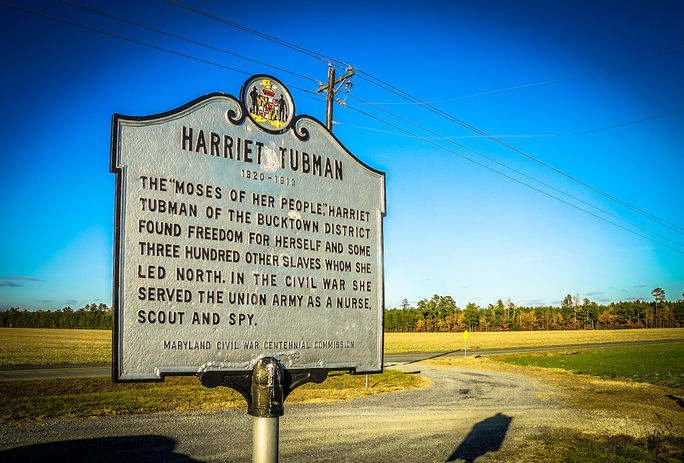
PHOTO: Harriet Tubman Underground Railroad Byway on Maryland's Eastern Shore (Photo via Flickr/Ted Eytan)
Auburn, New York
Auburn has a particularly meaningful connection to
Juneteenth because of its role in the abolitionist movement and its association
with two major figures in the fight against slavery and civil rights.
After escaping slavery and helping dozens of enslaved people
reach freedom through the Underground Railroad, Harriett Tubman settled in
Auburn, spending much of her later life there. Visitors can explore her home
and Fort Hill Cemetery, where she is buried. Auburn is also home to William H.
Seward, a prominent anti-slavery politician who supported abolitionist causes
and was a friend and supporter of Harriott Tubman.
Modern Juneteenth celebrations emphasize Harriott Tubman’s
legacy, cultural performances, community gatherings and discussions of freedom,
citizenship and civil rights.
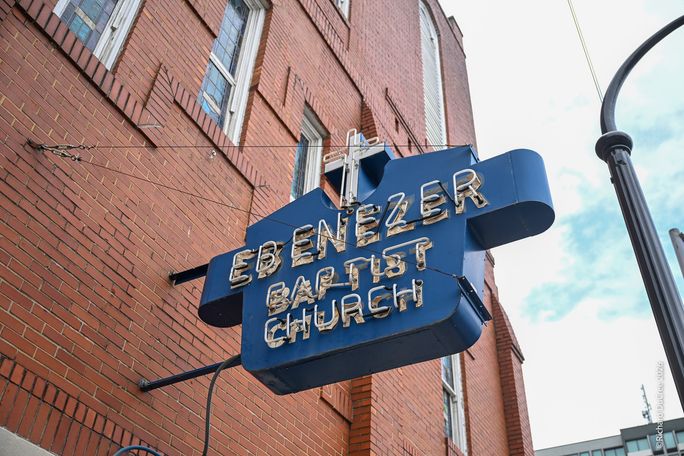
Ebeneezer Baptist Church, Atlanta, Georgia (Photo Credit: Noreen Kompanik)
Atlanta, Georgia
The city of Atlanta is rich in civil rights history. Some of
its famous residents include the late Dr. Martin Luther King, Jr and his wife
Coretta Scott King, and former U.S. Rep. John Lewis. Georgia’s capital is home
to many historic
civil rights landmarks, such as Ebeneezer Baptist Church and the National
Center for Civil and Human Rights.
Atlanta hosts one of the nation’s largest Juneteenth
festivals that includes parades, live music, cultural performances, art
exhibitions, educational programs, food vendors and Black-owned business
marketplaces. Celebrations often highlight African and Caribbean cultural
traditions, community organizations and local artists and creators, with a
heavy focus on Black entrepreneurship.
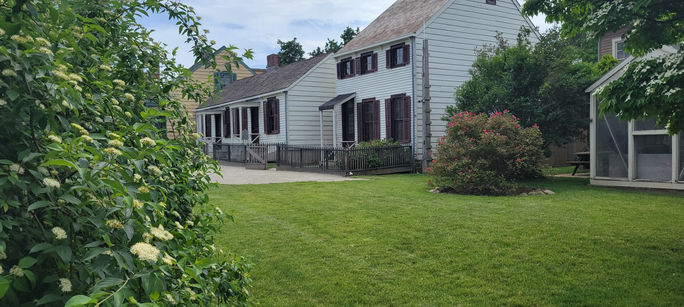
The historic homes at the Weeksville Heritage Center are located along an original Native American Road. (Photo by Brian Major)
Weeksville, Brooklyn, New York
What makes Weeksville especially meaningful as a Juneteenth
destination is that it was one of the largest free Black communities in
pre-Civil War America, founded in the 1830s by James Weeks and other free
African Americans in Brooklyn. Today, the heritage center preserves that
history and uses it as a backdrop for Juneteenth celebrations focused on
emancipation, self-government and determination and community building.
Festivals feature dozens of Black-owned food businesses,
cultural performances and music throughout the day at the Weeksville Heritage
Center.
Baltimore, Maryland
Often overlooked for its cultural impact, the harborside
city of Baltimore is a storied location full of Black history, boasting one of
the largest and oldest African American communities in the U.S. Throughout the
19th and 20th centuries, it was home to significant Black
churches, schools and businesses.
Legends like Billie Holiday and Eubie Blank once called
Baltimore their home. Today it continues to be a cauldron of Black art and
liberation. Frederick Douglass also spent part of his youth in Baltimore, later
writing that learning to read was a turning point in his journey from slavery
to freedom. The city features many historical sites and programs connected to
his legacy.
Baltimore’s Juneteenth events often include African and
African American cultural traditions, music and performances, community
festivals and family activities.
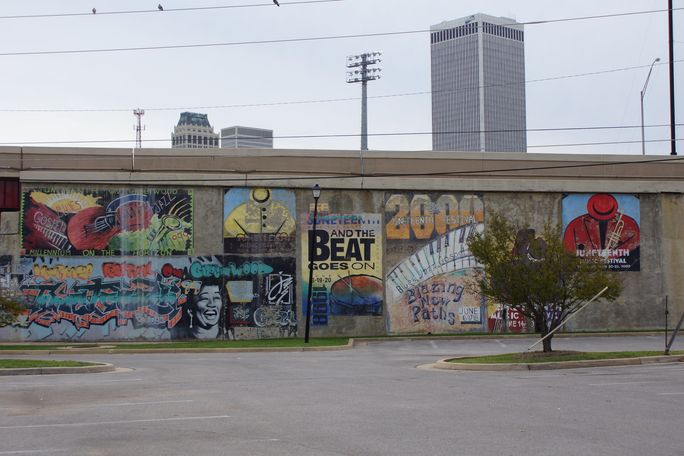
Taken in the Greenwood District of Tulsa, Oklahoma. (Photo via Marc Carlson / flickr)
Tulsa, Oklahoma
Tulsa connects the themes of freedom, Black achievement,
resilience and remembrance in a uniquely powerful manner. In the early 20th
century, Tulsa was home to the historic Greenwood District, one of the most
prosperous Black communities in the U.S., often referred to as Black Wall
Street.
Violence however began after allegations involving a young
black man named Dick Rowland and a white elevator operator, Sarah Page.
Tensions rapidly escalated and a white mob attacked Greenwood on May 31-June 1,
1921. An estimated 100-300 people were killed, hundreds of homes and business
were destroyed, thousands of Black residents were left homeless and much of
‘Black Wall Street’ was burned to the ground.
The centerpiece of Tulsa is the Greenwood Juneteenth
Festival, held in and around historic Greenwood. The festival includes live
music, cultural performances, panels on Black Wall Street history, tours and
exhibits connected to Greenwood’s past and events by organizations like
Greenwood Rising and the Greenwood Cultural Center. In addition, memorials
honor the victims of the 1921 massacre.
For the latest travel news, updates and deals, subscribe to the daily TravelPulse newsletter.
Topics From This Article to Explore


