Leading vacation
rental company Airbnb
is updating its Extenuating Circumstances Policy, including renaming it the
Major Disruptive Events Policy “to better reflect its purpose.” This will provide
greater flexibility for travelers who may need to cancel their reservations when
unforeseen circumstances, such as natural disasters, extreme weather events and
government-imposed travel restrictions, affect their ability to complete their
stay.
Under this updated
cancellation policy, guests can cancel reservations and receive refunds in
cases of “foreseeable weather events,” such as hurricanes, that would result in another
covered event occurring, such as large-scale utility outages. According to Travel
+ Leisure, the policy already applies to other “unexpected major events,” such
as declared public health emergencies, including epidemics, but excluding COVID-19.
This revised policy, which will go into effect on June 6, overrides individual
hosts’ own cancellation policies.
This updated
policy also applies to mid-trip cancellations, making it so that travelers can receive
refunds for the unused portion of their stays in the event of a covered
cancellation.
However, it’s
important to note that Airbnb’s policy does not cover all unforeseen incidents,
such as injuries, illnesses or government-imposed requirements, like jury duty
or court appearances.
“The changes to
this policy, including its new name, were made to create clarity for our guests
and Hosts, and ensure it’s meeting the diverse needs of our global community,”
Juniper Downs, Airbnb’s Head of Community Policy, said in a statement. “Our aim
was to clearly explain when the policy applies to a reservation, and to deliver
fair and consistent outcomes for our users. These updates also bring the policy
in line with industry standards.”
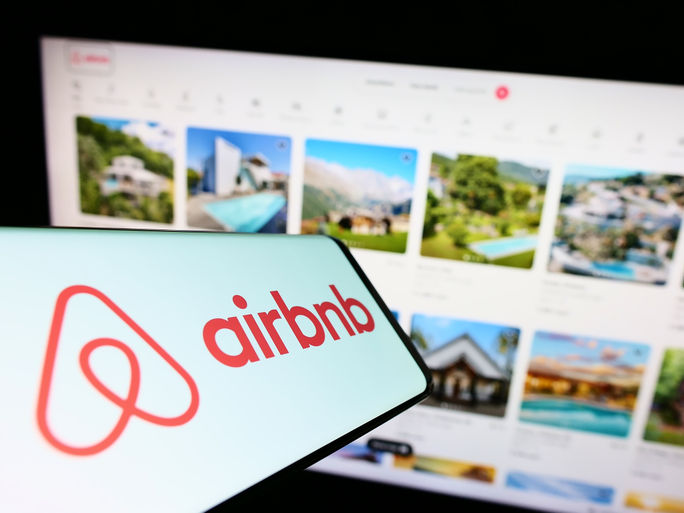
Airbnb logo displayed on a smartphone in front of a listings webpage. (Photo Credit: Adobe Stock/Timon)
The introduction
of this revised policy aligns with Airbnb’s recent efforts to bolster travelers’
confidence in booking home-share stays. For example, earlier this month, it banned
indoor security cameras in its rental homes worldwide due to privacy
concerns, and, in 2022, instituted a permanent ban on parties, a move which was
initially instituted temporarily during the COVID-19 crisis.
Last year, to
crack down on fraudulent listings, the company introduced a “verified” status and
badge for its rentals in an effort to reassure customers that the specified
property does actually exists at the address indicated and that the host is
reliable.
In 2022, Airbnb
also updated its policies and platform to provide greater pricing transparency,
displaying total costs, including fees, in user searches and altering its
algorithm to rank listings with the best total prices higher in the results. At
the same time, Airbnb provided “guidance” to hosts, encouraging them to set only
“reasonable” checkout requests and requiring them to be displayed in the
listing.
“Guests should not
have to do unreasonable checkout tasks such as stripping the beds, doing the
laundry, or vacuuming when leaving their Airbnb,” the company wrote in a statement
at the time. “But we think it’s reasonable to ask guests to turn off the
lights, throw food in the trash, and lock the doors — just like they would when
leaving their own home.”
For the latest travel news, updates and deals, subscribe to the daily TravelPulse newsletter.
Topics From This Article to Explore


