Across different client segments, purpose-driven travel means different things. To some, it could mean the support of eco-driven lodging facilities while on safari in Africa, while to others, it may be more focused on truly learning about the customs and cultures of a people while trekking through southeast Asia. And there are also considerations for things like multigenerational trips, where the younger family members are learning about their own family history while seeing things their grandparents experienced early in life.
For many, purpose driven trips mean that the journey has to parallel your values. And that can stretch from the things experienced to the ways a local community is impacted in a positive way. As the travel industry leaves the pandemic disruption behind, advisors need to be aware that many clients’ priorities have shifted permanently. And that means that there should be an expectation of more unique vacation requests over the coming years. Be prepared for requests that a trip needs to be more authentic, more aesthetic, and more emotional.
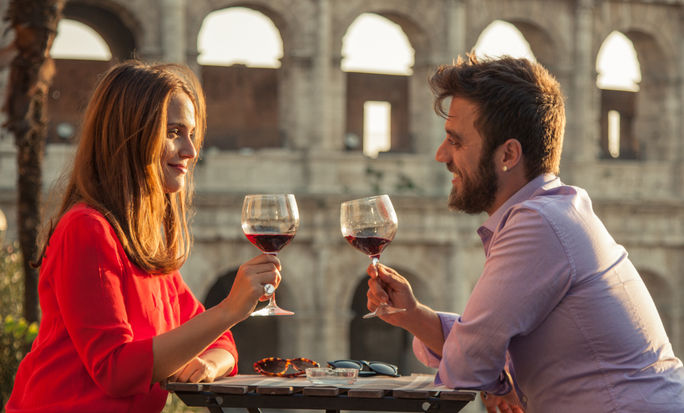
Today’s travelers are seeking meaningful experiences that bring them closer together. (Photo Credit: Adobe Stock/WineDonuts)
Reopening borders after COVID really reignited a passion for travel in many, and the experiences people had during the pandemic also created a desire for more connection with nature while on vacation. In addition, the rebound effect since has shone a light on overtourism in many parts of the world such as Europe, and today’s travelers are mindful of the issue. So, many purpose-driven travelers are looking for less crowded cities and regions and are quite open to the idea of secondary and tertiary cities, especially when that means smaller crowds and more authentic experiences.

Young female traveler enjoying a summer vacation on a tropical beach in Krabi, Thailand. (Photo Credit: Adobe Stock/Kittiphan)
Social media and broadcast media’s reach shouldn’t be discounted, either. Shows like Game of Thrones, The White Lotus, The Crown, and Emily in Paris have contributed to a desire among many travelers to see and experience the locations where these favorite shows have been filmed. And Instagrammable spots often become lodged in travelers’ minds when researching a trip—they want to be able to capture those same memories and experiences themselves.
Lastly, working on a trip—whether that means volunteering for a cause in the host country or doing actual remote work in the midst of the trip—means that for some, longer trips are possible, and indeed, more desirable.
Recent research from RateHawk has shown that people are feeling overwhelmed by the number of platforms that they feel they have to manually search through. And travel professionals need to ensure that have access to strong and reliable accommodation supply, especially with instability in many parts of the world. But smarter use of AI for travel advisors can be the key, eliminating repetitive tasks, and leaving them more time for personal touches on their client’s itineraries.
For the latest travel news, updates and deals, subscribe to the daily TravelPulse newsletter.
Topics From This Article to Explore


