A UNESCO World Heritage Site is selected for places that
possess outstanding universal value
for humanity in terms or cultural, historical, scientific or natural
significance. They are also designated for protection and preservation under
international treaties.
As of October 2025, a total of 1,248 UNESCO
World Heritage Sites are located across 170 countries. Some of the most
popular and well-known include the Great Barrier Reef, Pyramids of Egypt and
the Taj Mahal.
The U.S. boasts 26 sites, some whose beauty and majesty are
awe-inspiring and incredibly picturesque. Here are some of our favorites.
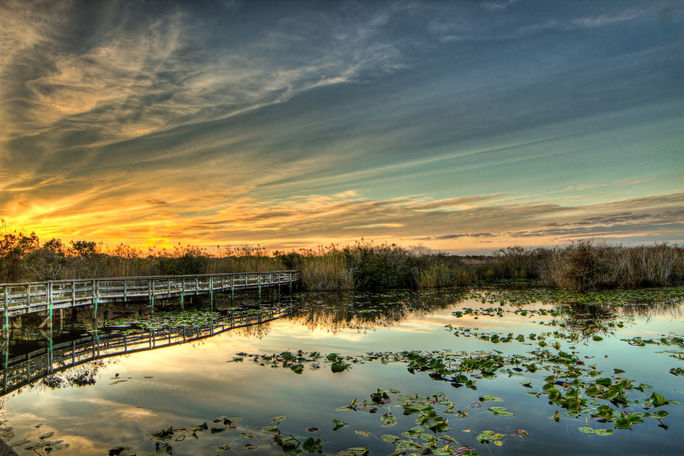
PHOTO: Anhinga Trail in Everglades National Park. (photo by Justin A Lyden/Dreamstime.com)
Everglades National Park
These fascinating and vast flat wetlands in southern Florida
represent one of the most unique and ecologically important parks in the
U.S. Covering almost 1.5 million acres,
the area’s habitats include three different colored mangrove forests, tropical
hardwood hammocks, pine rocklands, fresh and saltwater marshes and seagrass
beds.
The area is also home to the manatee, Florida panther, great
egret, Roseate Spoonbills, and alligator and crocodile (one of the only places
in the world where both exist). The best way to explore the region is by
airboat rides, popular just outside the national park boundaries.
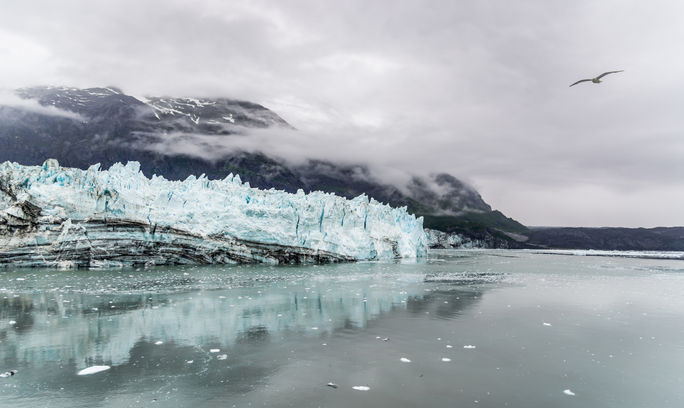
John Hopkins Glacier, Glacier Bay National Park. (photo by Richard Jacyno/Dreamstime.com)
Glacier Bay
This natural park and preserve is one of Alaska’s most
spectacular natural treasures comprised of glaciers, fjords, mountains and
wildlife. The area was shaped by eons of glacial and continuous tectonic
activity and is known for its dramatic calving (huge pieces of ice falling into
the sea).
Located near Juneau, Glacier Bay measures almost 3.3 million
acres and is part of the Glacier Bay–Wrangell–St.
Elias–Kluane–Tatshenshini-Alsek World Heritage Site — the world’s largest
non-polar ice field and one of the largest protected wilderness areas on the
planet.
Glacier National Park
Part of the Waterton-Glacier International Peace Park that
includes Waterton in Canada and Glacier National Park in Montana, the U.S. site
is defined by its dramatic Rocky Mountain scenery, glacially carved valleys and
crystal-clear alpine lakes.
The famous Continental Divide runs right through the park,
splitting waters that flow to the Pacific from those flowing to the Atlantic.
Mountain peaks exceed 10,000 feet, and common wildlife include Grizzly bears,
black bears, mountain goats, bighorn sheep, moose, elk, wolverines, lynx and
over 270 bird species.
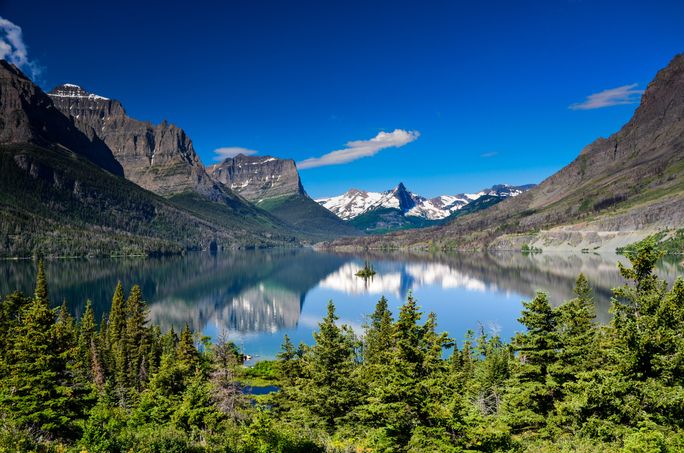
Saint Mary Lake, Glacier National Park, Montana. (Photo Credit: Provided by Collette)
Grand Canyon
The famous Grand Canyon in Arizona was recognized as a
UNESCO World Heritage Site in 1979 and is known for its breathtaking vistas and
geological significance. Carved out by
the Colorado River, The Grand Canyon’s layers can be traced back nearly two
billion years.
As one of the most iconic natural wonders in the U.S., the
Grand Canyon attracts millions of visitors each year who come to hike its scenic
rim trails, raft the rushing Colorado River, explore its ecosystems, or simply
take in the sweeping views.
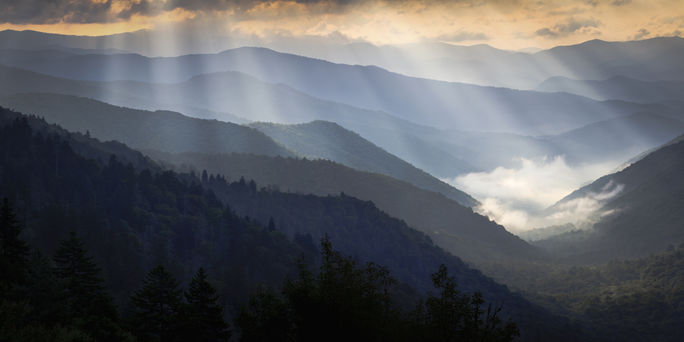
PHOTO: Newfound Gap, Great Smoky Mountains National Park. (photo by Hertzluke/Dreamstime.com)
Great Smoky Mountains National Park
There’s a reason this area is known as the Great Smokies
given the natural blue-gray mist that hangs over the mountains and valleys
giving them a smoky appearance. The Native American Cherokee named the region
‘Shaconage’, meaning ‘Place of the Blue Smoke.’
One of the most visited national parks in the U.S., it
straddles the border between North Carolina and Tennessee, in the heart of the
Southern Appalachian Mountains. The Great Smokies feature steep picturesque
valleys, stunning waterfalls, rolling ridges, and peaks above 6,000 feet
including Clingman’s Dome, the park’s highest.
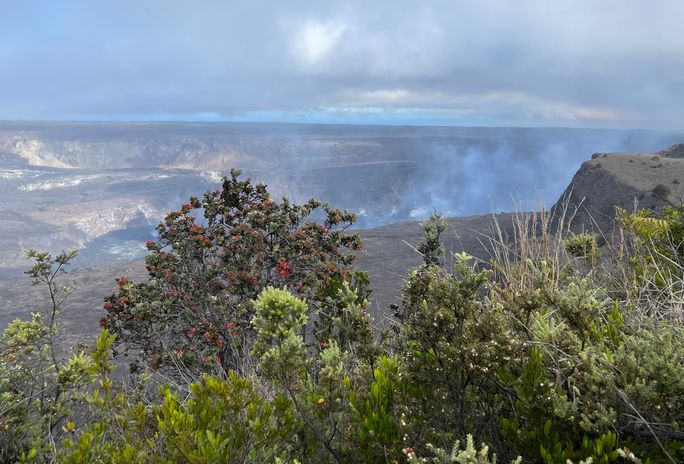
Hawaii Volcanoes National Park. (photo by Jessica Kelly)
Hawaii Volcanoes National Park
Located on the Big Island of Hawaii, the park, extending
from sea level to 13,680 feet includes the summits of two of the world’s most
active volcanoes, Mauna Loa and Kīlauea.
The park is roughly 335,000 acres, though is constantly
expanding due to new land formed by Kīlauea’s lava flows. The Halemaʻumaʻu Crater, within the Kīlauea’s summit caldera, is a sacred site in Hawaiian tradition — believed to be the home of Pele, the Hawaiian goddess of fire
and volcanoes. Visitors can witness fresh lava flows, craters, steam vents,
lava tubes and cooled lava fields.
Mammoth Cave National Park
The longest cave system in the world is located in central
Kentucky and features 426 miles of mapped passageways that are still growing as
new sections are explored. The cave was carved out of Mississippian limestone
by the Green River and its tributaries over millions of years.
This underground system includes vast chambers, tight crawl
spaces, underground rivers and striking geological formations like stalactites,
stalagmites and gypsum flowers. Easy walks to more intensive wild cave
spelunking tours are available for advance booking.
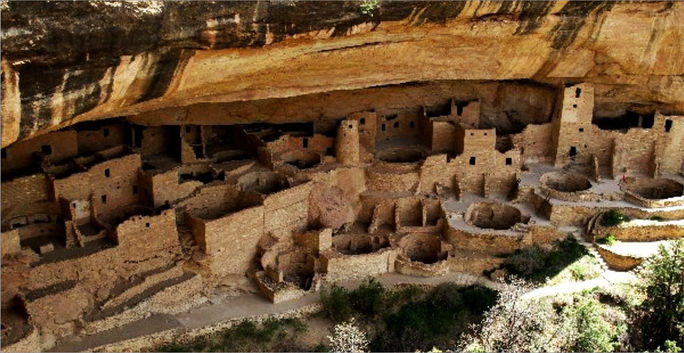
Mesa Verde Colorado Cliff Dwellings (Photo via Noreen Kompanik)
Mesa Verde
The Mesa Verde plateau in southwestern Colorado is one of
the most remarkable archeological preserves in the U.S., once occupied by the
ancient Pueblo people between the 6th and 12th centuries.
Thousands of carefully engineered Ancestral Puebloan cliff
dwellings and archeological sites at this historic site offer an extraordinary
snapshot into the lives of the people who lived here for over 700 years.
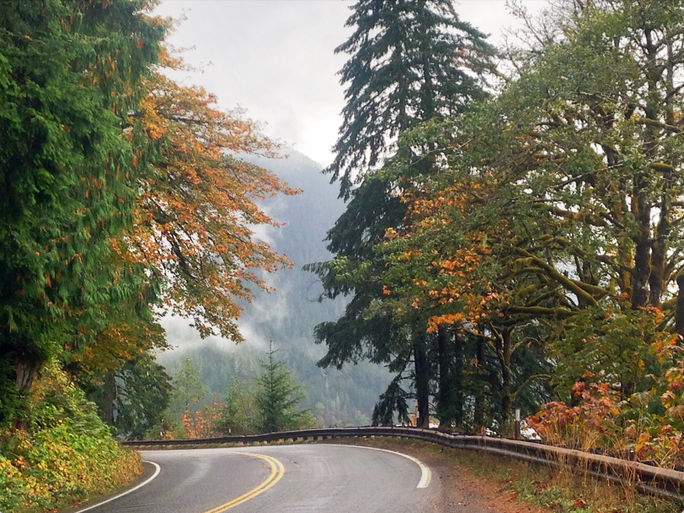
Olympic National Park and Forest, Washington (Photo via Aramark)
Olympic National Park
One of the most ecologically diverse parks in the U.S.,
Olympic National Park located in northwestern Washington State includes a
rugged undeveloped coastline, a lush and enchanting temperate rain forest, picturesque
alpine mountains and glacier-capped peaks, all within the same protected area
and within a day’s drive of one another.
The impressive diversity throughout the park’s 922,000 acres
makes it feel as though you’re visiting three separate and unique parks in one.
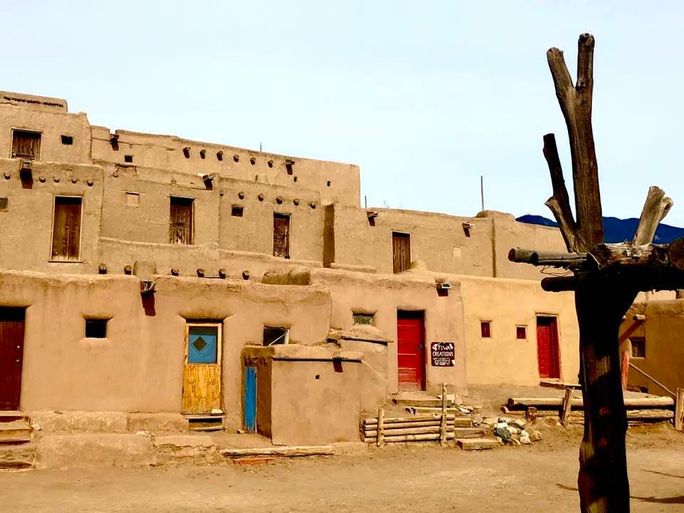
PHOTO: Taos Pueblo in New Mexico. (Photo by Noreen Kompanik)
Taos Pueblo
One of the most unforgettable UNESCO Heritage Sites is Taos
Pueblo in New Mexico. Ringed by the soaring peaks and sagebrush plains of the
Sangre de Cristo Mountains, this authentic Native American community with no
electricity or running water has been continuously inhabited for over 1,000
years. The ancient Tiwa language is still spoken here.
The largest of the Pueblos was established along the Rio
Grande and its headwaters in the late 13th and early 14th
centuries. Taos Pueblo is renowned for its multi-story adobe structures built
entirely from earth, straw, and water, and then coated with a smooth layer of mud
plaster.
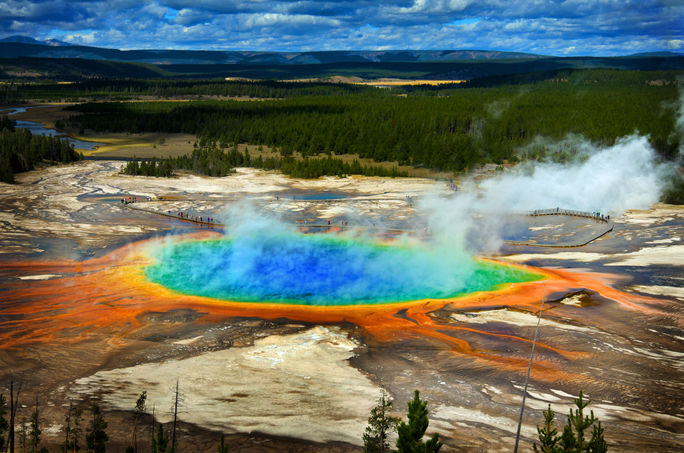
The Grand Prismatic Spring at Yellowstone National Park, Wyoming. (Photo Credit: Adobe Stock/Lane Erickson)
Yellowstone
Designated as the world’s first national park in 1872,
Yellowstone covers almost 3,500 square miles throughout Wyoming and parts of
Montana and Idaho. Geothermal features
include over 300 geysers, hot springs, canyons, waterfalls, mud pots and
fumaroles.
One of the most spectacular of the UNESCO Heritage Sites in
the U.S., Yellowstone sits atop a massive volcanic caldera, one of the largest
active volcanic systems on Earth. The magma chamber below the park still fuels
over 10,000 hydrothermal features making the area the world’s most concentrated
area of geysers and hot springs. Old Faithful, the park’s icon erupts every 90
minutes, shooting water up to 130 feet in the air. Grand Prismatic Spring, the
largest hot spring in the U.S. is renowned for its surreal rainbow colors and
Mammoth Hot Springs’ terraced limestone formations resemble frozen waterfalls.
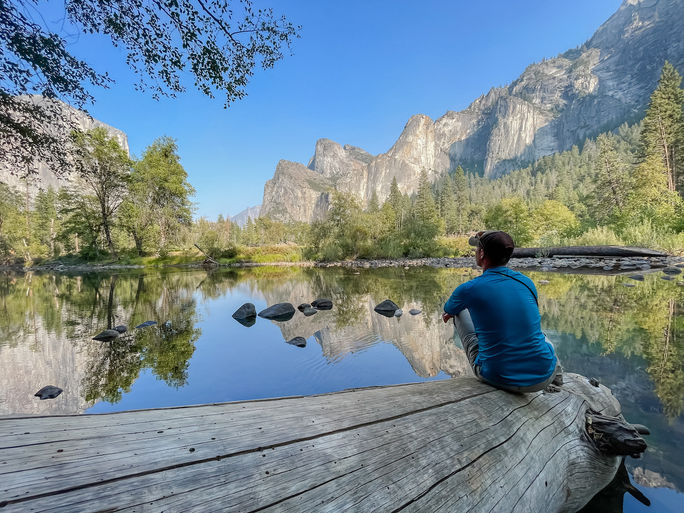
A traveler visiting Yosemite National Park. (photo courtesy Globus)
Yosemite National Park
Located in California’s Sierra Nevada mountains, the
stunning park is known for its granite cliffs (El Capitan and Half Dome),
waterfalls, giant sequoias and picturesque valleys, making it a bucket-list
destination for photographers, nature lovers, hikers and climbers.
Yosemite Falls is one of North America’s tallest cascades at
2,425 feet, signature Bridalveil Falls can be seen at the valley entrance, and
located along the Mist Trail, Vernal & Nevada Falls can be accessed by a
hike. Some of the park’s giant sequoias are over 3,000 years old and among the
largest living things on Earth.
For the latest travel news, updates and deals, subscribe to the daily TravelPulse newsletter.
Topics From This Article to Explore


